Austin Street Center, Rays of Light and Genesis Shelter — these are some of the most popular community service opportunities in the area, and limited spots can make it challenging for students to get involved.
Students must complete 15 hours of community service hours every year, but many of these opportunities posted on MobileServe are almost always full. This often leads to students rushing to complete their hours right before they are due.
“It becomes competitive for spots in popular projects like Genesis or Rays of Light,” Director of Community Service Jorge Correa said. “We try to post at different times to avoid people having to rush to sign up.”
One of the things that the school has recently begun doing a few years ago is adding an hour to the service time to account for transportation regardless of the actual travel time. This also applies to out-of-state opportunities.
“If you tell me ‘I’m going to go to Oklahoma to do service’ and I take how many hours you drive into account, that wouldn’t be right,” Correa said. “Also, many people go and work at a camp over the summer. Well, you can’t enter the time when you’re sleeping. If you have a schedule, like one from 9 a.m. to 4 p.m., those are the times that you can count.”
Another thing that was recently added is double hours. This allows a student to bring one or more family members to a service opportunity and claim double the hours.
“It’s a win-win because it creates connection,” Correa said. “The double incentive is to get you out of your comfort zone and work with your family.”
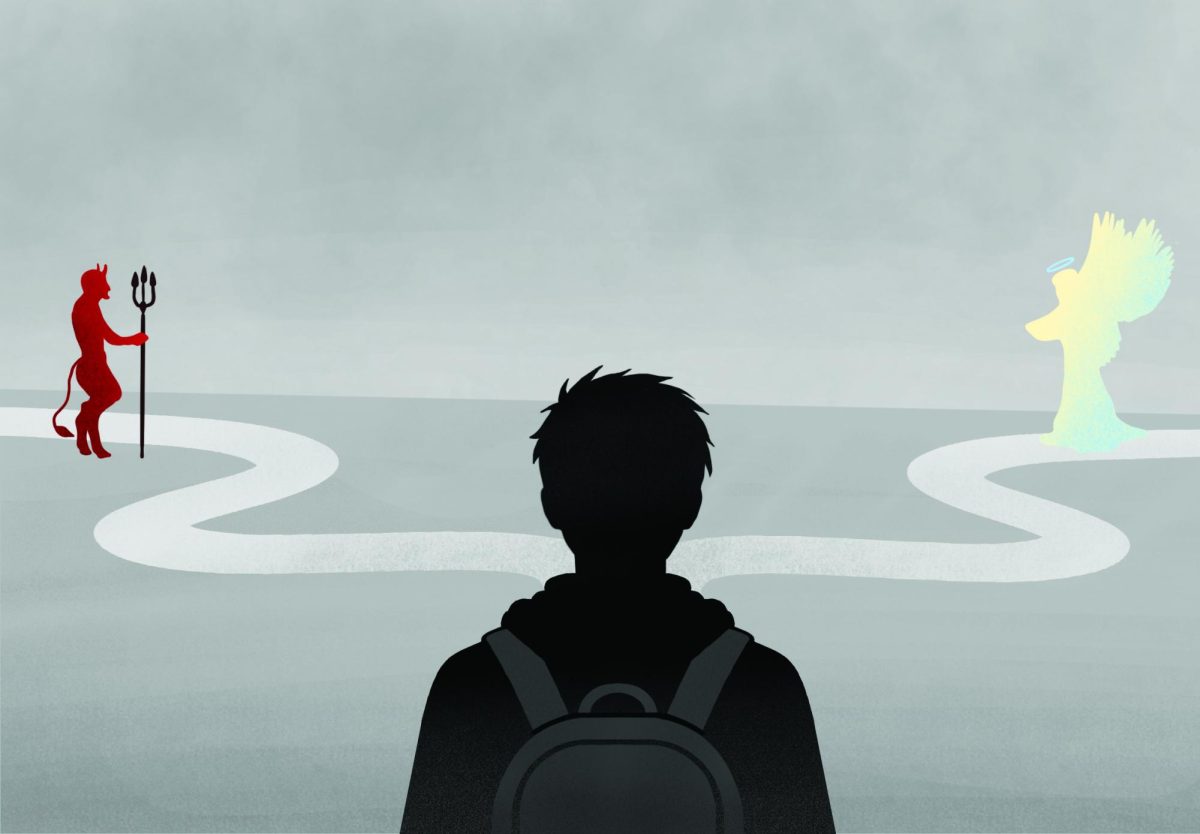
However, students often complete their hours just to meet the requirement for school or get recognized with certain awards that have a certain limit in terms of hours that a student must have to get recognized.
“It’s like school. In a perfect world, people would come here to learn, and you don’t have to give them grades,” Correa said. “Now (students) try to get more hours because those hours are going to be recognized by colleges or internships.”
Nowadays, students can even complete their hours digitally.
“We still have the remains of what COVID did where students want to do stuff online,” Correa said. “They’d rather find some way to do it from their home than have actual interaction with people. That worries me. We want them to go out there and work with people via physical interaction.”
Correa emphasizes the importance of doing service for the benefit of the community, not for external recognition.
“It’s not about the hours you accumulate,” Correa said. “Our emphasis is on the service.”