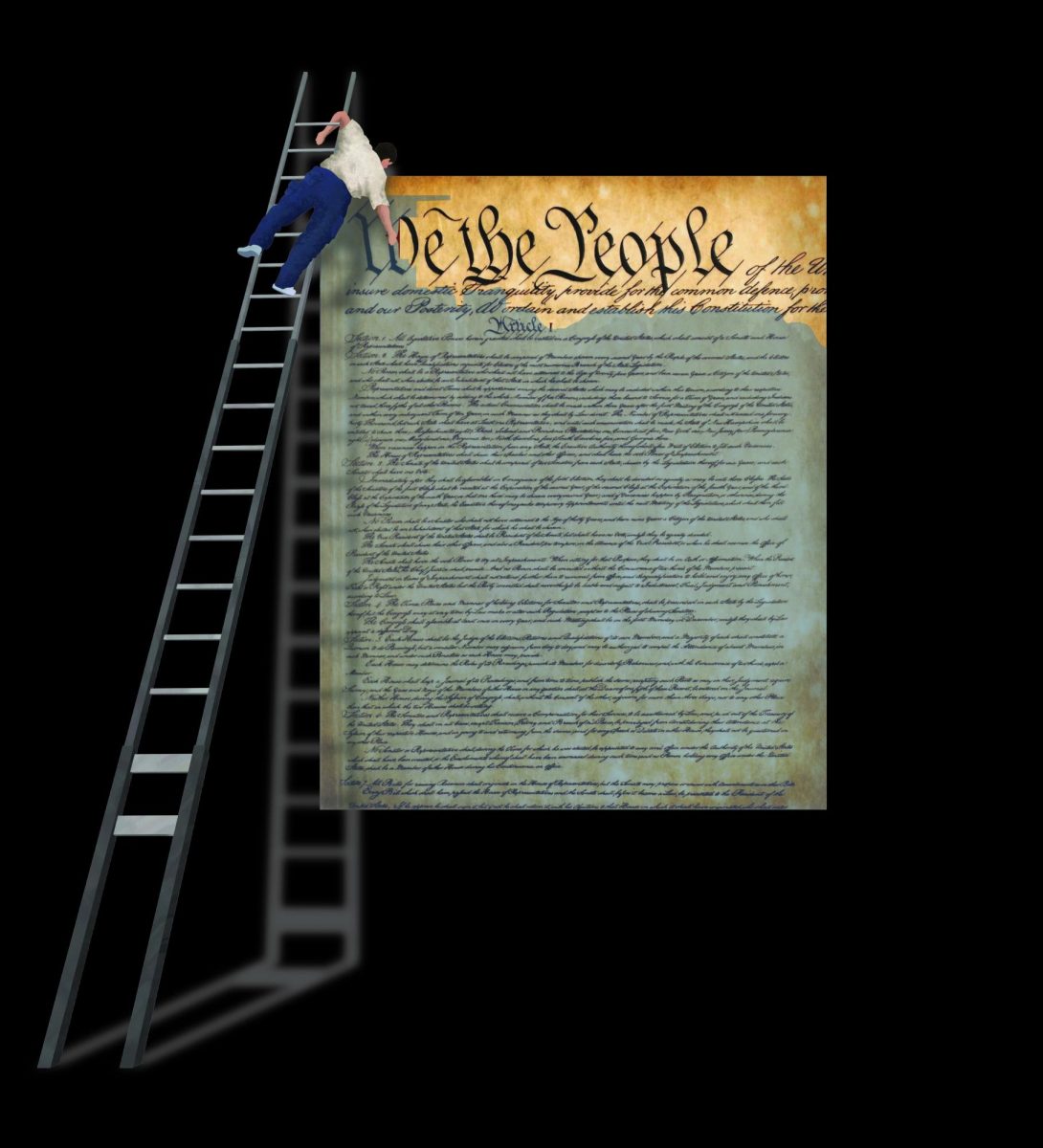
Texas has always had the potential for this kind of evolution — after all, it’s been the country’s biggest red state for almost 30 years now. Naturally, Texas’ moves and decisions have an outsized impact on the national discourse. But it’s become truly unique in recent years how much it has been able to stand out as a firebrand on the national stage. It has influenced other states to take similar actions, sometimes even egging them on or encouraging them to do so. And, as its efforts become successful, the Texas government seems more emboldened than ever to dive headfirst into more controversy.
Just five years ago, Texas was at the forefront of challenges to the 2020 presidential election. In a stunning move, the state, led by attorney general and current Senate hopeful Ken Paxton, sued another state, Pennsylvania, over its election laws in an attempt to overturn and call into question the results of the election. The Supreme Court declined to hear the case, but it made headlines nonetheless and clearly demonstrated Texas’s willingness to act on a national level. But this case had ripple effects beyond Texas — 18 other attorney generals lined up in quick succession to support the case shortly after its filing, demonstrating Texas’s national influence. Texas officials also exhibited an almost brazen desire to jump into the issue and be at the head of the charge, setting a precedent that would only continue.
Fast forward a few more months, and Texas then began to consider Senate Bill 8, better known now as the Texas Heartbeat Act. It proposed a radical new way to tackle the contentious issue of abortion: altogether circumventing the Roe precedent and enforcing abortion restrictions via individual citizens suing abortion providers. The impact of the bill was major and went beyond typical politics; even major companies like Uber and Lyft promised to assist drivers who might have gotten sued under the terms of the law. Even before the Supreme Court decided against national abortion protections, the Act dealt a significant blow to them in Texas, and soon after for other states who decided to follow suit like Idaho and Oklahoma. Once again, Texas reaffirmed its desire to not only take radical action but also be a proud national leader in doing so.
Just a few months ago, Texas went back on the offensive with its redistricting laws widely criticized as attempts to gerrymander five Democratic seats in the House. On top of having the potential to shift the political balance of the House in future elections, Texas has once again set off a trend for other states. Notably, California directly challenged Texas’s attempts by threatening to engage in its own gerrymandering. Now, a number of states have either verbally or actually begun the process of what seems to be a redistricting arms race, with Texas being the spark that started the fire.
And below the surface, these changes are creating difficulties across Texas, particularly for judges. Due to the amount of controversial state laws passed, state and federal judges throughout Texas have been forced to make major, controversial rulings with national implications. Suddenly, these judges are thrust into the spotlight, their decision now being pivotal to a major national issue. This has also made the problem worse, though, as the state has engaged in “judge shopping” — the practice of intentionally filing a lawsuit to a predictable judge with the expectation they will produce the desired ruling. In many cases, these rulings have then been overturned by a higher court, but not without controversy and uncertainty first.
Numerous other groups, like businesses, local officials, lawyers and especially everyday citizens have had similar trouble dealing with Texas’s controversial moves. With certain laws in a state of limbo between enforcement and being struck down, these groups have to make careful decisions on how to move forward. The Heartbeat Act was probably the most significant example of this issue: almost everyone involved had to face extreme uncertainty as to whether the law would even remain in place and what that meant for them, effectively creating enforcement through paralysis.
As a Texas resident, these kinds of events have become somewhat routine. This is just how our state is, it seems. But it is critical to not forget the implications this fact carries for Texans and Texas voters. Every decision we make and every state politician that we decide to vote for has major repercussions on states beyond our own and the entire nation. What we decide here will end up affecting people across the country, and that is a major responsibility. A voter who votes in a Texas state election is really voting for much more than just that.
Also, these new developments are creating a new image for Texas as a pretty radical state and firebrand that isn’t afraid to engage in controversy, or in some cases, egg it on and encourage other states to follow along. Texans and Texas voters also need to consider what impact their state politicians are having on the image of their state and what it means to be a Texan.
Obviously, we have our own opinions as a state, and we have the full right to express them just like the citizens of any other state. But running headfirst into controversy is clearly not a good development for our state and has already begun to damage its reputation. Texas voters need to consider what their vote means, especially when voter turnout is often at or below 50% at the state level and noticeably less than in national elections. A vote in Texas means much more than one in almost any other state, and we ought to treat it as such.

Texas and its growing influence mean new responsibility for voters
October 31, 2025
Categories:
More to Discover