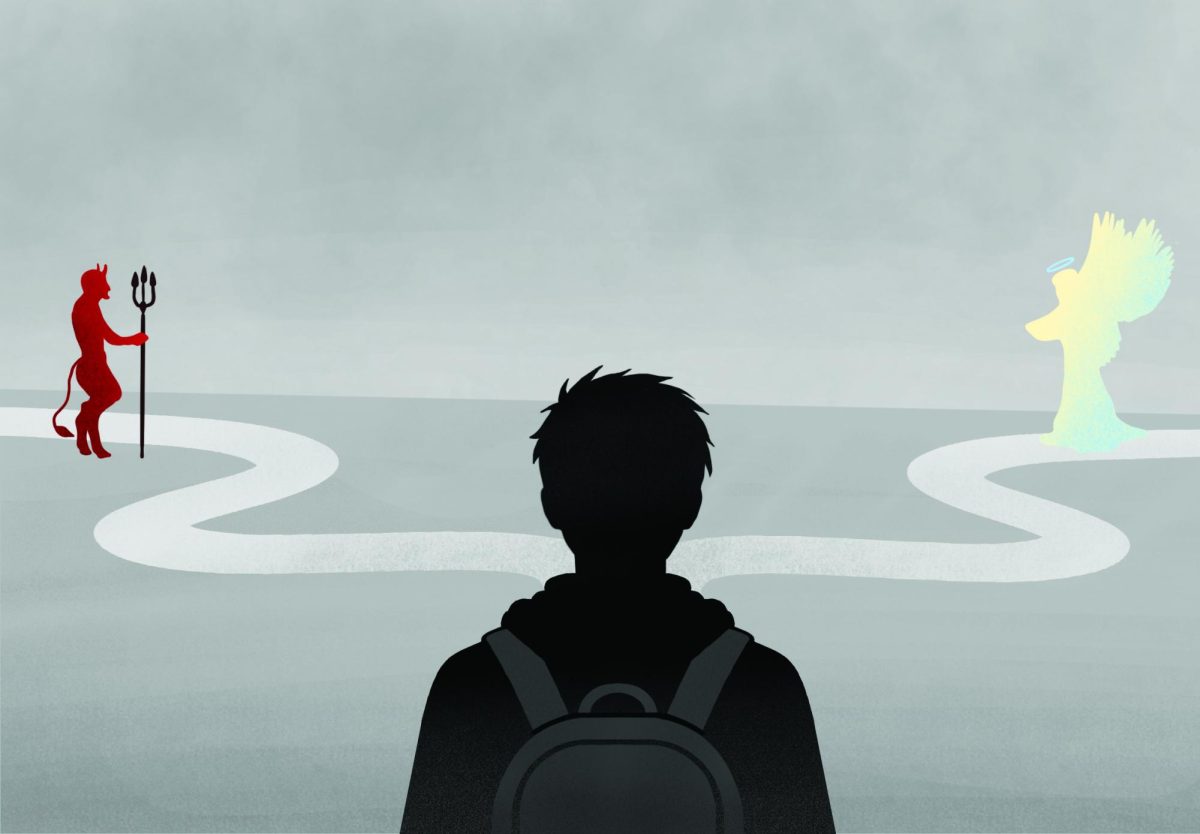
One public mistake can spell the end of a career.
One accidental tweet, one wrong action, one misstep – once a mistake spirals out of control, a person’s fate is in the hands of the public.
As standards among the media change between generations, some believe that society is overly accepting of behaviors that would have been considered scandalous in an older generation. On the other hand, many others believe that the media is overly cutthroat.
History teacher Dr. Andrea Hamilton described the last two decades as “inconsistent” in a stance of forgiveness.
“Some politicians can get away with, if you will, what seems like pretty egregious behavior, and they don’t seem to be held accountable to it,” Hamilton said.
With the rise of social media, major issues can become normalized. In addition, public perception of controversies and scandals are minimized to an Instagram story or Facebook post.
“People get away with things that today are made public,” Hamilton said. “I also think that we’ve become desensitized in some ways to the media.”
On the other side of the spectrum, minor mishaps can quickly snowball into the creation of hate trains that threaten one’s career and safety.
“Sometimes I see examples of someone who makes a misstep or becomes an internet sensation or something for a behavior, and they get outed and suffer terrible consequences,” Hamilton said.
Along with a surge in social media presence in daily lives, users can hide behind an anonymous username. One embarrassing post later and the internet could launch an attack.
“We have a culture that, in many ways, tries to hone in on weaknesses and is more likely to try to play up and create negative hostile emotions in other people,” Hamilton said.
When one person seeks the approval of comments and statistics on a social media, hate comments and negativity can spiral. Aggressive attacks accompanying practically uncensored remarks are just one example of this approval-seeking.
“There’s been a lot of name calling from the beginning,” Hamilton said. “I wouldn’t want to say that in 20 years, there’s been a hard shift. There’s something that is more encompassing about the culture, something about social media, or the way things are working today, that’s egging people on and encouraging them to give in to that kind of hostility that’s the opposite of forgiveness.”
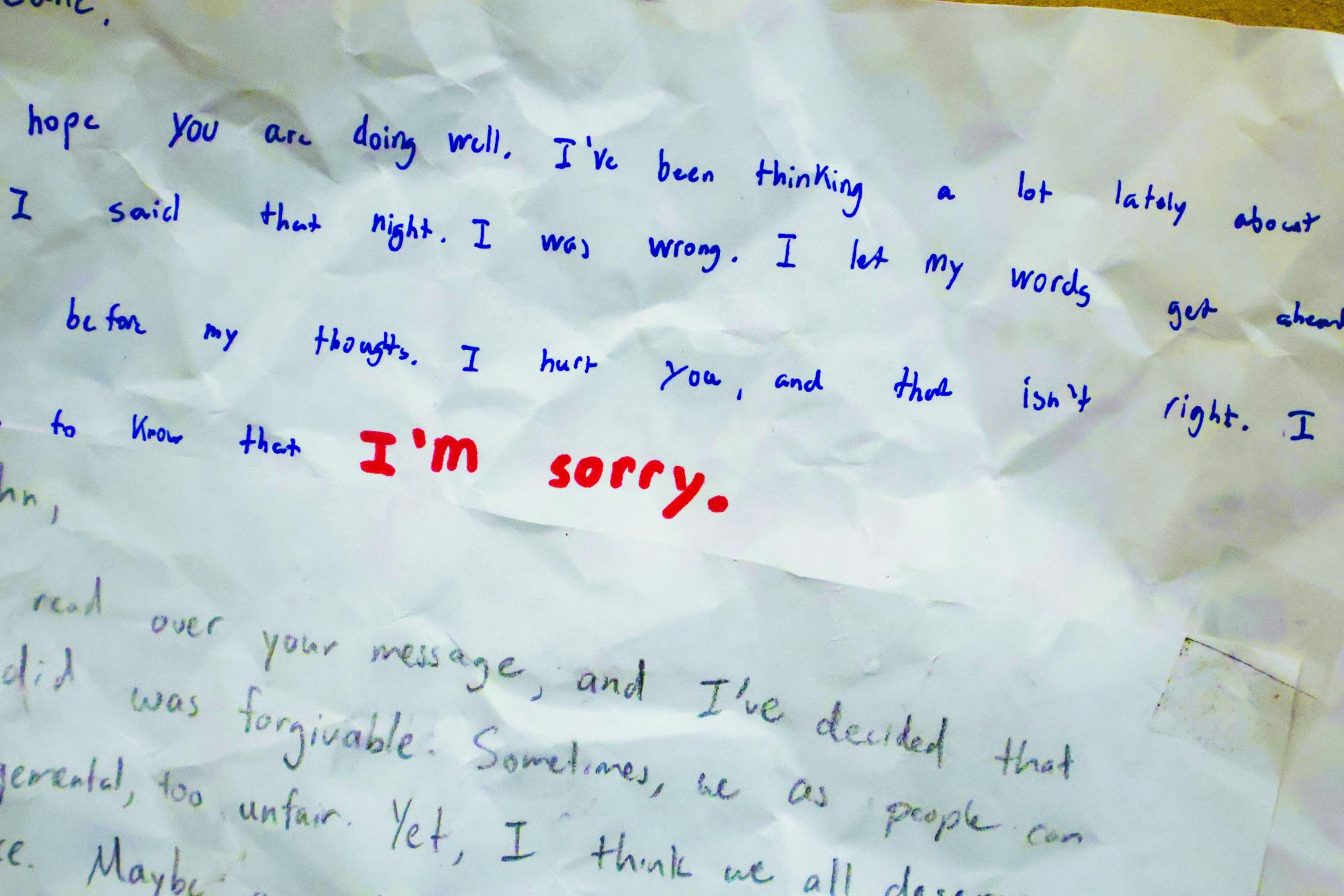
In a modern sense, where the line between forgiveness and ignorance blurs, moral standards propel efforts of forgiveness. Hamilton stressed that forgiveness ties strongly with a humane sense of empathy. But many people struggle to find that empathy.
“When we talk about forgiveness, that seems to be calling on people to draw on more thoughtful, higher human qualities. To recognize and acknowledge weakness and flaws in other people in a way that’s recognizing common humanity, and is still loving the other person,” Hamilton said. “And our culture doesn’t seem to be doing that very much. It seems like there’s a lot more focus on trying to find flaws in people and digging into that instead of forgiveness.”
Public figures have stood in the limelight for decades and decades in American history. When few events were recorded, mistakes drifted practically unbeknownst to the public entirely. Now with camera capturing moments around the clock, similar instances attract far more attention.
“Across U.S. history, there have always been scandals and personal behaviors,” Hamilton said. “There used to be a culture that, at least in regards to some things, was willing to overlook things. That culture, now with media, feels like it has no boundaries.”
Students like sophomore Grant Bowers who grew up in this shifted era of forgiveness maintain that society should be more forgiving than it is currently.
“Are we too forgiving as a society? No,” Bowers said. “Not forgiving enough? Perhaps.”
Where Hamilton sees society’s view on forgiveness as inconsistent, Bowers believes that it should be more forgiving.
“I really think we should forgive people more easily,” Bowers said. “I think forgiveness is less about saying what someone did was okay and more about deciding that one mistake shouldn’t define who they are forever. It’d be inordinately difficult to find someone who forgives too much.”
Bowers also thinks that how a person is judged scales with their credibility. When a person is known to be reliable or skilled, poor performance is criticized more harshly. He compares it to students’ grades.
“Let’s say you’re a good student and you get a poor grade,” Bowers said. “It’s very bad. If you’re a poor student and you get a poor grade, it’s expected. It’s relative to how you were before, not absolutely correlated to what you do.”
It may feel, sometimes, as if people are judged differently based on other people’s perceptions. Preconceived beliefs about someone may even affect how they are treated in various situations.
“We shouldn’t force people to like or dislike someone,” Bowers said. “You have to let them decide their opinion on their own. I don’t think that a person’s judgment should change because other people pressure them.”