A student exits his car, his body tired, his eyes itchy. The memories of his practice are blurry as he enters his house in the dark, preparing to start his homework and study for the tests ahead.
Late practices and games during athletes’ sports seasons affect how they study, and with new team additions for next year, the struggle is poised to continue.
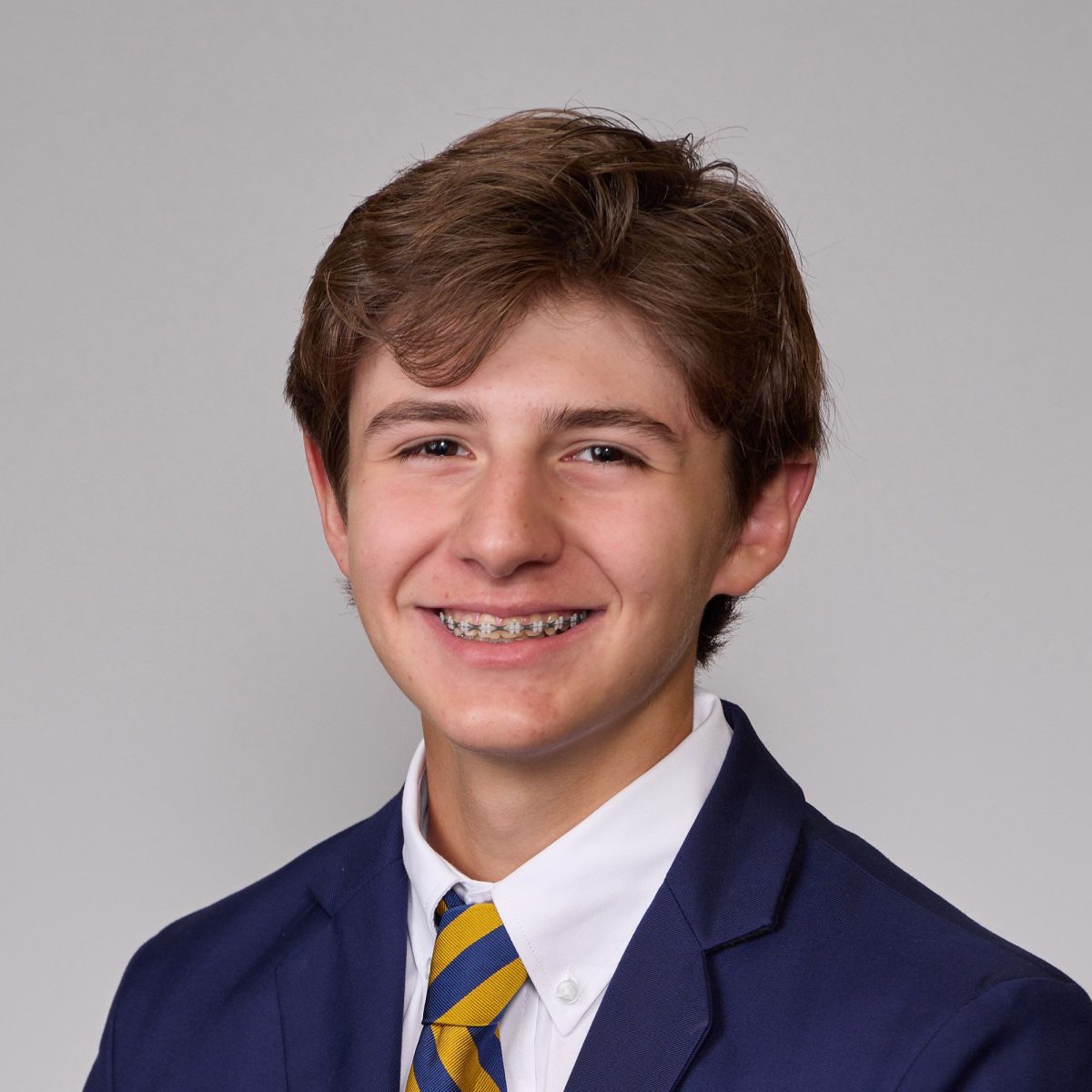
The school soccer team frequently suffers from delayed and late matches due to their frequent travelling, as well as later practices given the school’s field scheduling. This forces players into time crunches to finish their homework and study while still getting a viable amount of sleep. For varsity sophomore John Paul Hanks, the time lost from these practices circles through his head throughout the school day, affecting his performance.
“In soccer, we finish practice at around 6:30 p.m. or 6:45 p.m. and that’s pretty late,” Hanks said. “It adds up when you have a lot of homework and especially when you have a game. Varsity soccer games kick off at 7 p.m., which means the final whistle blows at around 8:50 p.m. to 9 p.m., but you’re not getting home until at least 9:30 p.m. because you also have your post game talks.”
The struggle worsens with travel.
“Let’s say you have an away game in Fort Worth that kicks off at 7 p.m., you’re not going to get home until 10 p.m. or 10:30 p.m.”
Not only does the lack of time put stress on these student-athletes, but putting one’s head down after the physical and emotional exhaustion of up to two hours of competition to do homework or study can seem near impossible.
“You’re drained, and you don’t feel like doing anything,” Hanks said, “You end up getting your stuff done but it’s a struggle. I feel like studying itself is less of a struggle than actually doing homework assignments, because at least studying is self regulatory and you can use your preferred method, but with homework you just have to do it. It’s a grind on match days or after practice.”
The situation is only set to worsen with next year’s game schedule including San Antonio schools, which will increase the soccer team’s travel necessities. With more time away from school, spending time on the field and losing more class, Hanks worries his already tight schedule will become unmanageable.
“The problem is next year,” Hanks said. “Soccer is changing because we only play 4A teams, so now there’s going to be days where we’re in San Antonio. There’s going to be days in Houston and Austin on a regular basis. This year we only had one Austin trip and that’s it, but starting next year, we’re going to be out of town half of the match days; we’re going to be in either Austin, Houston or San Antonio.”