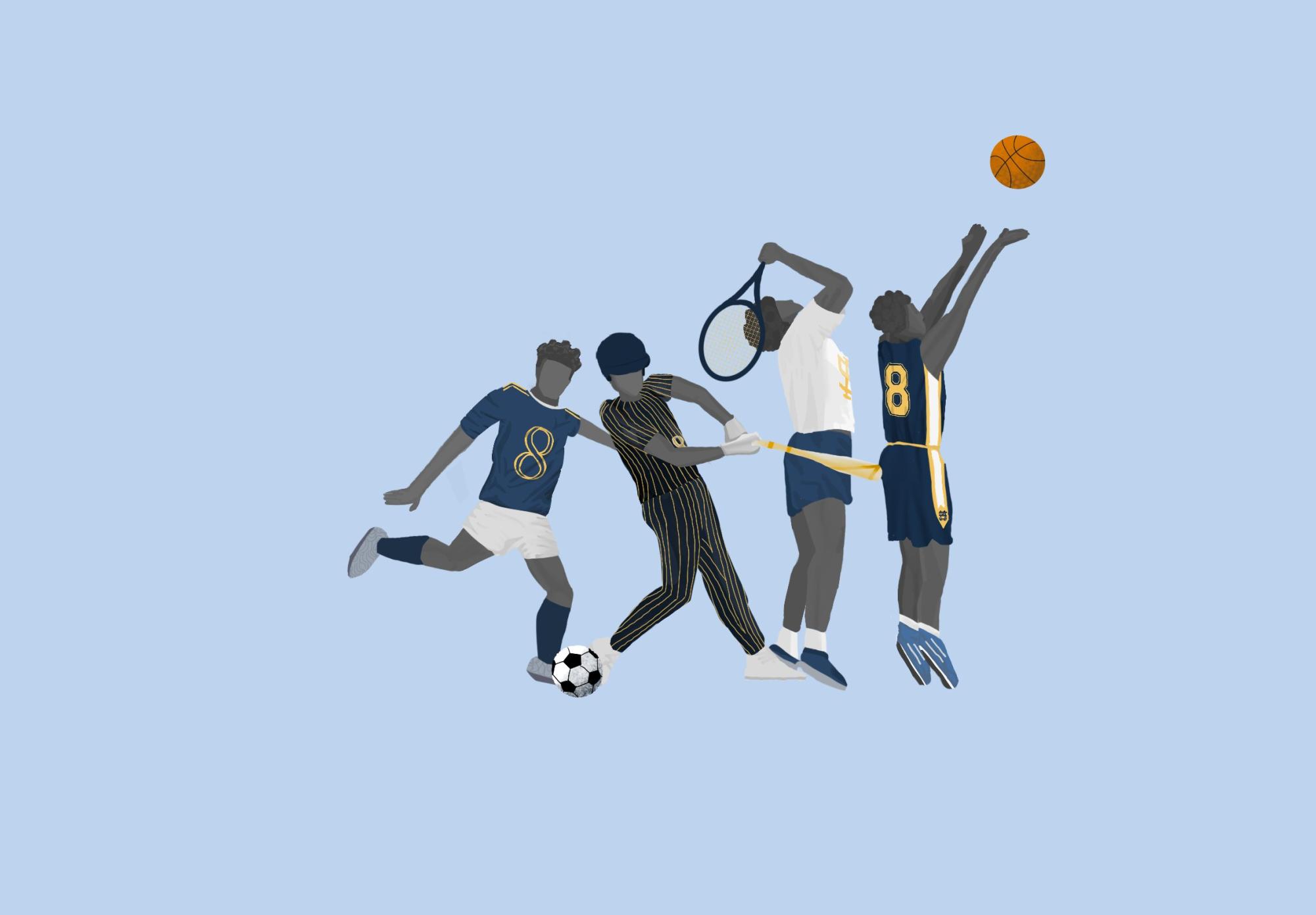
Most athletes find their sport and never turn back. They commit to one game, one skillset, one identity, and grind it out from there. But others find that the longer route, through a different sport entirely, is what separates them from everyone who took the simple path.
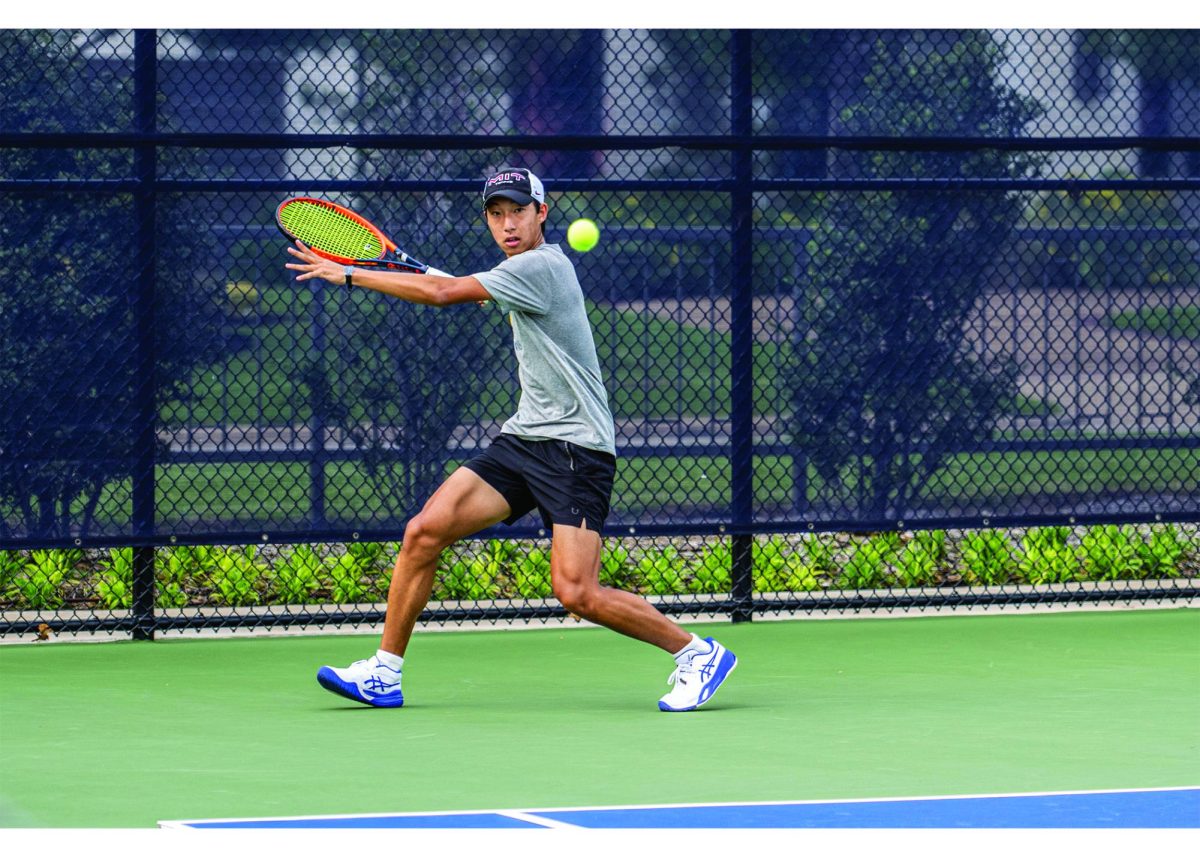
For Saint Louis University basketball player Luke Laczkowski, that detour ran through a tennis court. When COVID-19 shut down contact sports in 2020, a middle school Luke Laczkowski needed somewhere to show his competitive energy. At first, tennis was the answer.
“When COVID came around and contact sports started shutting down, I decided to pick up tennis,” Laczkowski said. “I got really into it, and then I switched back to basketball.”
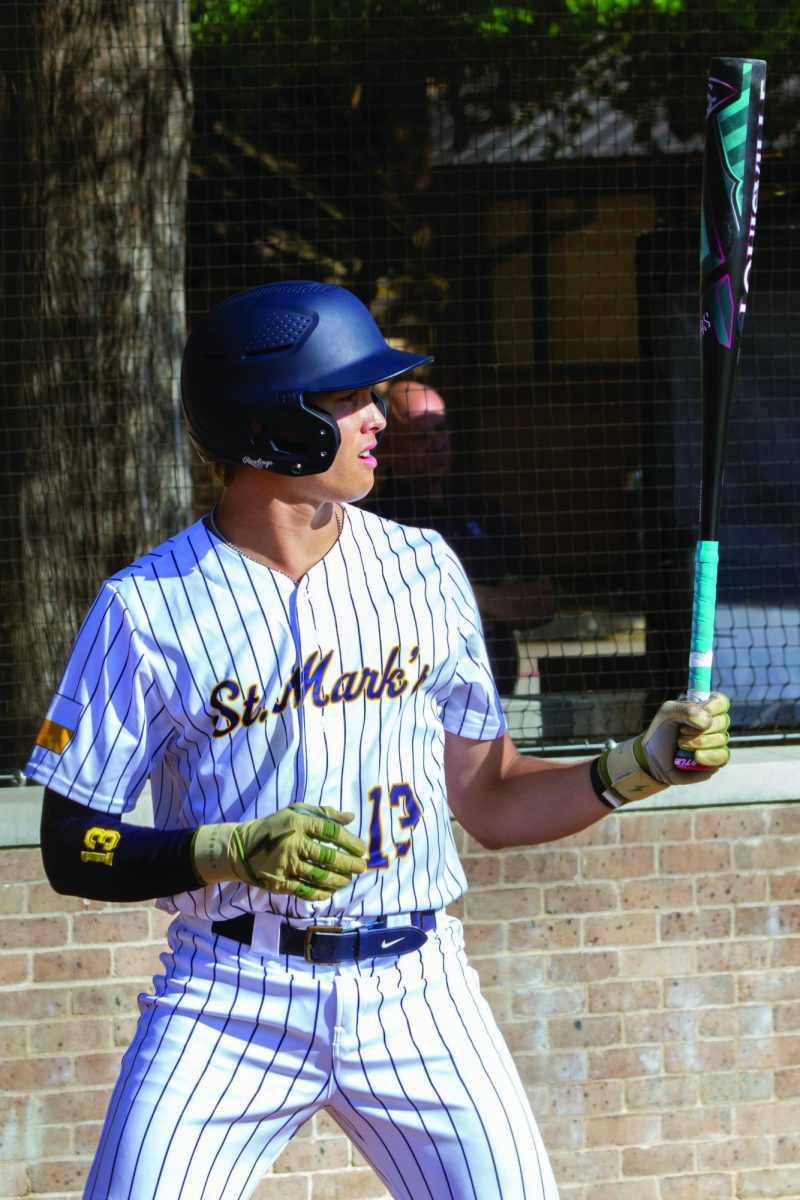
The switch back to basketball happened fast, and in large part because of his family. His freshmen year at St. Marks, Laczkowski learned his older brother, Tate, was playing varsity basketball for the school. The opportunity to share the court with his brother was too good to pass on, but it came with pressure.
“I’ve never played with him before. I knew I had to make varsity,” Laczkowski said. “I went to tryouts and everything, ended up making varsity, and didn’t look back from there.”
What Laczkowski didn’t expect was how much tennis already prepared him. The footwork drills, the on-court movements, and the conditioning. This all translated to basketball the moment he stepped in the gym. But beyond the physical aspects, the mental shift shook him the most. Tennis taught him how to perform under pressure alone, but basketball showed him a different side.
“It’s definitely way better having guys that are there to support you, rather than being solo and isolated on the tennis court alone,” Laczkowski said. “My first year of basketball is probably the most fun I’ve had.”
Still, he gives credit to the solitude of tennis for sharpening something in him team sports don’t always demand. When the game is on the line and something has to be done in a split second, Laczkowski reflects on years of having no one else to rely on.
“When I’m on the basketball court and I’m stressed out, it’s great to have guys,” Laczkowski said. “But you need to be able to do things alone or have some autonomy in decisions. And that really helped me out.”
His recruitment, like his athletic career, didn’t take a straight line either. College coaches didn’t come calling until the summer before his senior year, which is late in today’s recruiting landscape. His first offer came from the TABC showcase, and things started accelerating.
“Coaches started noticing me really late in my career: my junior year summer,” Laczkowski said. “TABC was my first college offer. I kind of blew up after that.”
Now playing at Saint Louis University, Laczkowski looks back at a bumpy road. Tennis, basketball, a late recruitment. He didn’t see these as detours, but the exact path that made him the player he is.
Just like Laczkowski, graduating senior Spencer Hopkin knows what it means to walk away from something and what it means to come back. After stepping away from football to focus on other sports, Hopkin found his way back to the field just in time for the season that mattered most. The decision to return wasn’t just about football, it was about finishing high school with no regrets.
“I was going into my senior year, and I wanted to make my last year as fun and exciting as possible,” Hopkin said. “I thought I would have regretted it if I didn’t play football.” Hopkin said.
St. Mark’s head football coach Harry Flaherty reached out and that pushed Hopkin. The message landed at the right moment for a senior who was making a monumental decision.
“I didn’t go to Coach Flaherty, he kind of randomly came to me,” Hopkin said. “Once I got the email from Coach Flaherty, that’s why I played.” Hopkin said.
Hopkin came into the season with a multi-sport background that stretched from lacrosse, soccer, and basketball. Like Laczkowski, he found that skills learned elsewhere helped him immensely.
“Playing basketball, staying in shape and being athletic that translated,” Hopkin said. “But football is a lot different where you’re actually hitting someone.” Hopkin said.
For Hopkin the physical adjustment seemed the most challenging. Hopkin arrived at training camp at around 155 pounds after spending the summer running, including completing a marathon. He felt the weight difference on every tackle.
“During summer training, I was like 155 and I felt …behind in weight. I mean, like during the season, every time I made a tackle, I felt like I was kind of getting knocked back a little bit, because everyone was a little heavier than me, so I felt like I was behind.” Hopkin said.
Although Hopkin had a late start to his high school career he felt as if he picked up the plays quickly. He credits that to his athleticism and his overall understanding of the sport. One could argue that switching and playing many sports helped him evolve into the player he is.
“My position was pretty easy. I was nickel… there were only two things that I didn’t know…. And a part of that is just being an athlete and having instincts. So learning the plays was pretty easy.” Hopkin said.
For Hopkin, the entire senior season was built on a single promise he made to himself: leave no regrets. And that’s what he did. Looking back, Hopkin believes that is what made the experience mean more to him than it did to his teammates who had played all four years.
“ I think I enjoyed it more than everyone else, because it was my only year… I think I may have enjoyed my senior year less if I played it all four years.” Hopkin said.
As Hopkin reflects on his varsity football experience, his overarching theme remains the same. He firmly believes that every young athlete, regardless of athletic background or skill level, should take advantage of the opportunity to play a sport in school. The lessons learned, the discipline built, and the memories made on the field go far beyond what most people think.
“If you’re thinking about doing a sport, I think you should do it,” Hopkin said. “You have, like, at least, like, three to four hours a day minimum to work with (after school). You’re not going to regret playing a sport. And if you want to pick up a new sport going into high school, there’s plenty of time to get better and plenty of time to get more athletic.”