138 million.
According to the Gallup’s World Poll, that is the number of people who wanted to move to the U.S. in 2023.
Many of them brought their children and grandchildren, chasing an opportunity commonly known as the “American dream.” Alongside their families, those 138 million carried something else: their history, their languages and their cultures, all packed into those seemingly endless voyages toward a promised land.
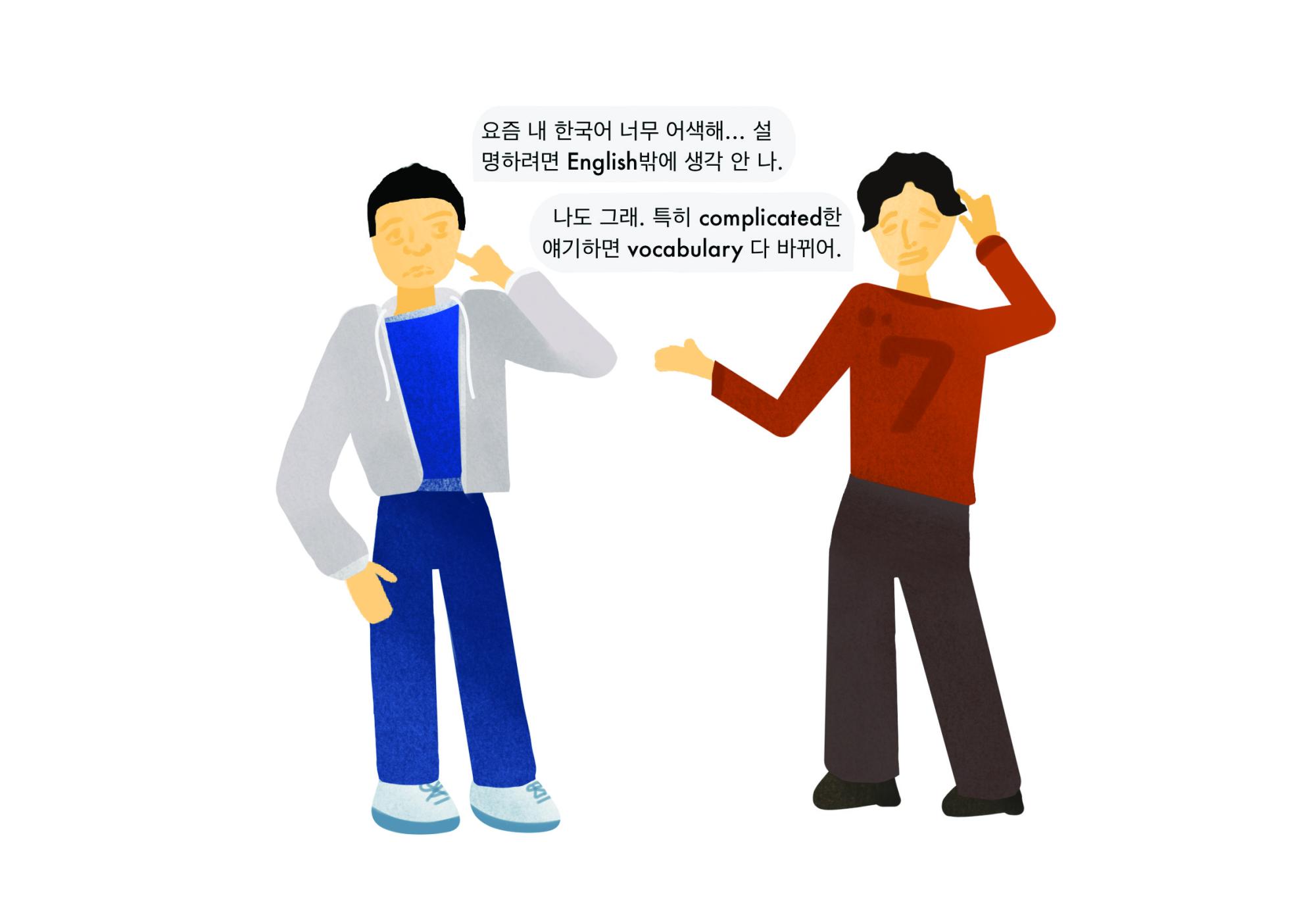
But the passing of generations not only weakens the bonds to the family’s home country; it weakens their culture and identity too.
With time, traditions get lost and native languages are forgotten as new generations undergo what the Oxford Dictionary calls Americanization: the gradual adoption of U.S. culture at the expense of their own.
Although moving to the U.S. ends up benefiting millions of immigrants, it comes at the cost of future generations. According to research published in the Journal Demography, only 12 percent of third-generation Americans, the grandchildren of immigrants, can speak their family’s native language fluently.
That loss of language builds walls between the future generations, their home country and the U.S. A study from the National Library of Medicine found that Americanization can cause children from immigrant families to disconnect from their parents, leaving them without a clear sense of belonging or identity in either culture.
Unlike millions of immigrants, sophomore Leo Vallejo had the privilege to share a strong relationship with his grandmother as a child. By teaching Vallejo and his cousins the importance of relishing their traditions and language, she would help them grow closer to a land they didn’t live in.
“My dad spent a lot of his life coming down to the United States for motor and super cross races, and (my parents) both eventually moved down here in the early 2000s after they got married,” Vallejo said, “My grandma raised me and my cousins a lot, and she made sure we all learned Spanish to an equivalent level to each other.”
Although he hadn’t been born in Mexico, Vallejo believes that his grandmother helped him deepen his connection with his home country, family and culture. He believes that by learning Spanish, he was able to embrace his family’s roots and interact with his family not as a stranger, but as an ordinary person.
“(Knowing your native language) facilitates a lot of things for sure, because a lot of my family is still in Mexico, we go down every summer and I can at least speak with them in in the language that we both speak,” Vallejo said. “My cousins speak English but not very well, (so) I’m glad that I’m able to communicate with them in at least one language.”
For Vallejo, having pride in his background has helped him see the beauty of his culture and motivated him to reconnect with it. He believes that reaching out to reconnect with one’s roots should be something that people should be proud of and not shamed for.
“I think not being embarrassed of yourself is a good thing, and pride should be a big part about embracing your culture,” Vallejo said.
But for freshman Nate Saenz, reconnecting with his Colombian heritage has proven to be more difficult than for Vallejo. Without a figure like Vallejo’s grandma to help lead him back to his roots, Saenz has struggled to involve his heritage in his life.
“I’m not ashamed of my culture, I actually wish I was more deeply involved with it. My culture just doesn’t really play a big role in my life. I’m kind of disappointed about that but I hope I can grow closer in future years,” Saenz said.
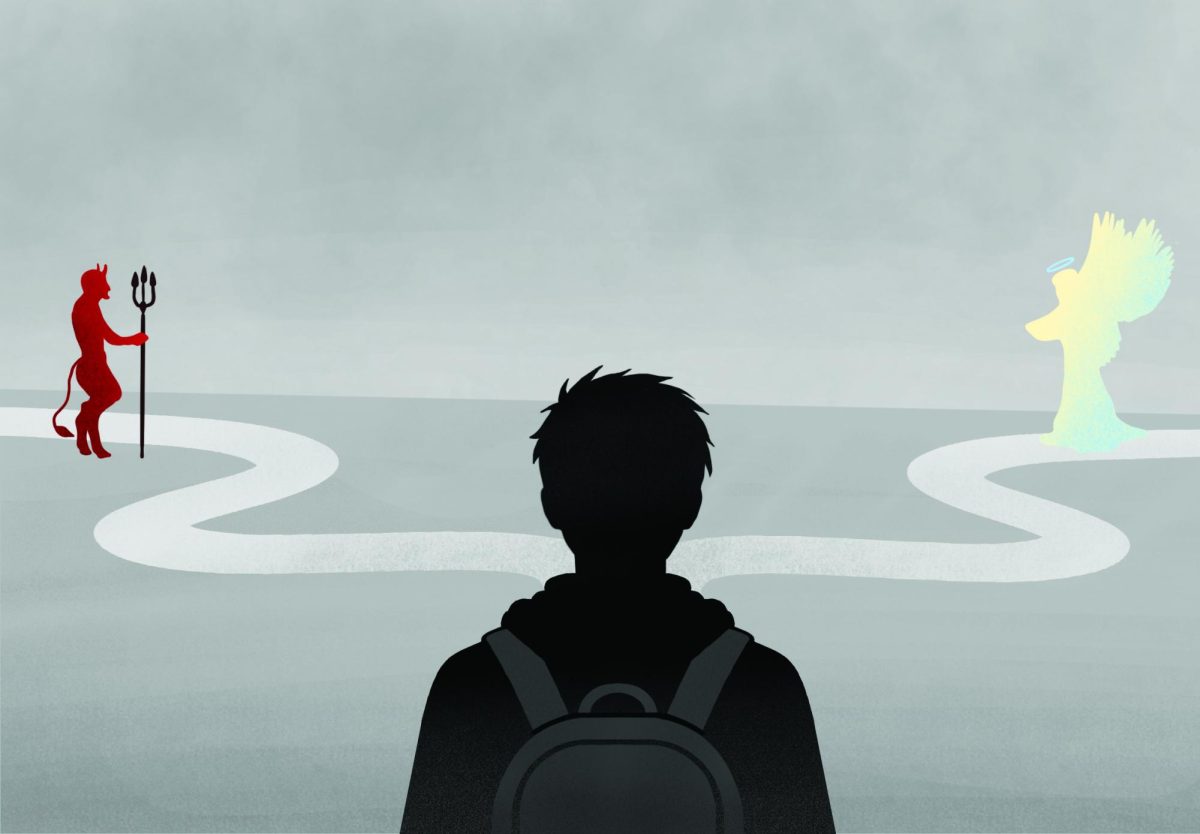
The absence of culture throughout the lives of immigrant children can create a sense of loneliness. Children who are born in the U.S. when most of their family remains connected to their home country, often find themselves feeling like outsiders in both cultures.
“I feel like I’m sort of in the middle, and I don’t fit in with either of my cultural groups. I feel like I’m not as Colombian as the Colombians, and I’m not as American as the Americans,” Saenz said. “It makes me feel like I don’t fit in anywhere because of that culture divide, and it makes me feel alone.”
Since Saenz’s connection to his Colombian heritage is minimal, he is constantly faced with cultural barriers in uncomfortable situations he can’t escape because they are woven into his daily life.
“In Spanish restaurants, my dad will speak Spanish to the waiter, and then they’ll ask me what I want in Spanish, I’m not able to communicate with them,” Saenz said. “Then they asked me why I don’t speak Spanish, and it makes me feel like I don’t belong or I did something wrong.”
However, junior Ilan Gunawardena believes that truly understanding someone goes beyond sharing a language and culture.
While in Sri Lanka, swimming for the national swimming team, Gunawardena felt anxious and out of place for not being able to speak Sri Lanka’s national language: Sinhalese. He felt that by participating, he was taking someone’s spot, someone who truly deserved to be there.
“There were these kids that had been there so many years before me, but after the experience and getting to bond so closely with the team in our tail room and mess around before and after the events, it gave me kind of a different perspective,” Gunawardena said. “It’s not just about speaking the language or necessarily belonging to a country. It’s also about connecting with those from the country, whether that be from speaking the language or from just becoming friends with them, spending time with them, learning what they know.”
Being well-rounded is something Vallejo deeply believes in, but more specifically, he believes that culture is a key component of a balanced character. He trusts that everyone should relate to a culture, and that in doing so, people will grow to be more unique and interesting.
“Culture is a huge part of a person’s identity. If you don’t identify with a certain culture, then you’re just a citizen of nowhere, and that just makes you a boring person,” Vallejo said. “I think you have to be well rounded in all aspects of your life, but I think culture is definitely a huge part of that.”