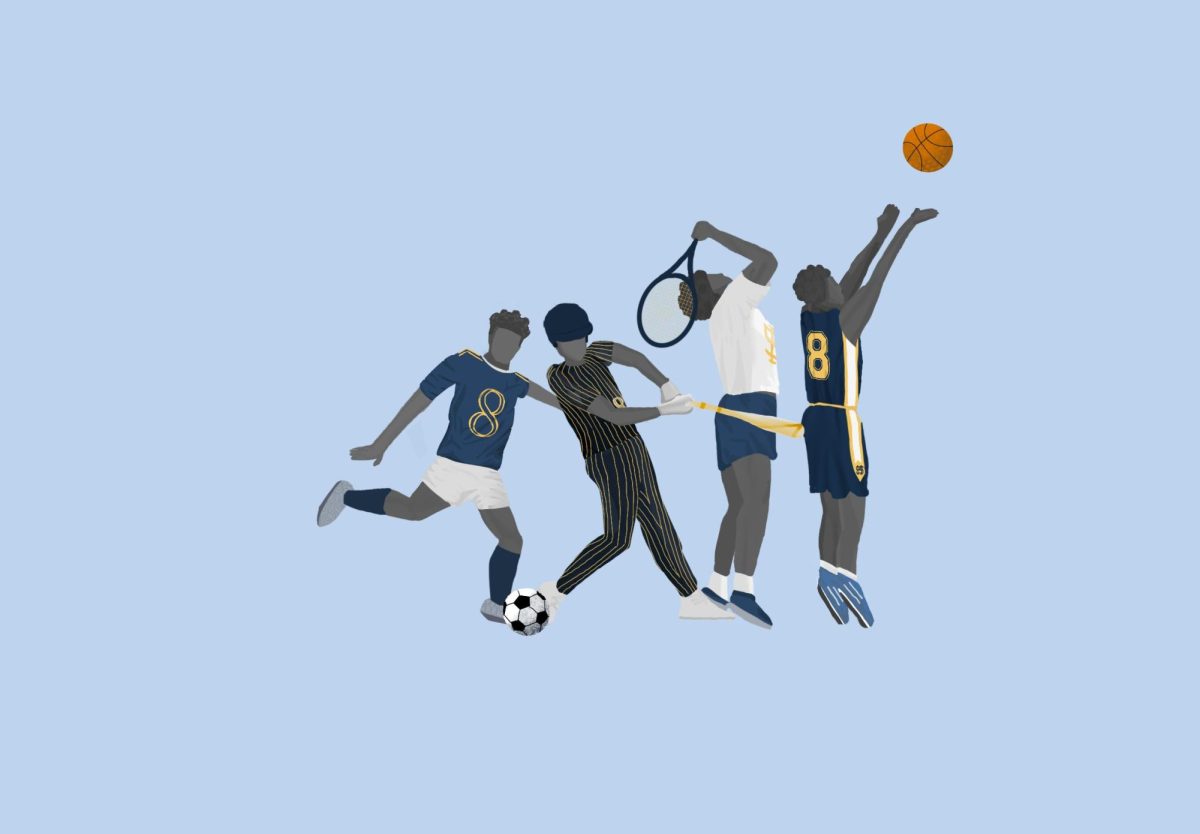
The referee drew a curved line on the grass to show how close I could get to the upcoming corner kick. I reluctantly lined up with my hands behind my back, and if I had known where the soccer ball would end up, I would have covered my head. But I didn’t.
The ball went straight toward my head and hit me, sports goggles and all. The referee’s whistle, coaches running out to check on me, worried parents, an ice pack for my head and vomiting later — it all went by in a blur. And this would only be the first time.
Two years later, I’m standing a few feet away from my friend during a basketball game. He was supposed to pass it in to me… when I was looking. My coach was talking to me, and when I turned my head back around, the basketball met me square in the face.
I shook it off and kept playing. A few hours later, I was at the park running around with my friends playing catch, when I first started feeling weird. When I got home, I told my parents, “It feels like a tennis ball is bouncing back and forth in my head.” They vividly remember me slurring my words while telling them – a sign of a concussion.
I had to deal with a month of recovery and tons of missed school. Loud noises and bright lights were countered with headphones and sunglasses. It took my young fourth-grade brain a whole month to recover from the blow.
Then, during freshman year, I walked up behind my friends in the quad before chapel, and one of them swung his head back on accident and hit me right below the eye. Sharp pain, but not a thought of a concussion in my mind. Fifteen minutes later, during chapel, my eyes were swimming, unable to stay still and focus on the lesson.
A doctor’s appointment, a diagnosis, a few hard days of not participating in class, eyes unable to focus, no sports for several weeks – it was all becoming a familiar experience.
Okay, a bad start to freshman year, let’s make it concussion-free through the end of this year.
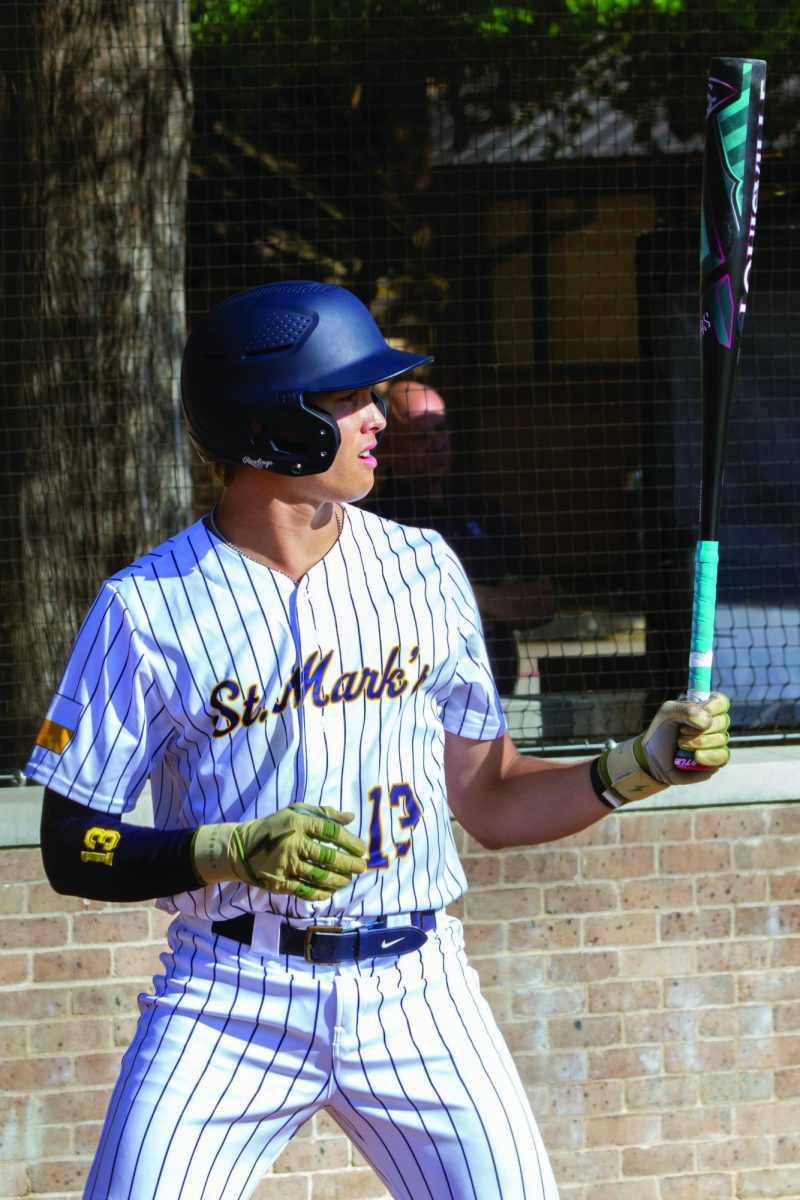
Easier said than done. During baseball tryouts in February, I was standing at shortstop, waiting to catch the throw down to second while another teammate stole the base.
The throw was off-target, so I jumped to my left and caught it. Expecting to land back on the ground and continue playing, my teammate’s shoulder had other ideas, dealing a crushing blow to my jaw.
Instead of taking a month off and taking care of my head, I worked through the constant headaches. Eventually, about three weeks after my feeble attempt to keep going, the pain took over. My pile of make-up work grew every day I took off.
Not only was I behind in schoolwork, but I also missed the first several baseball games. Nothing is harder for me than watching my favorite sport from the sidelines. I started feeling down about my proneness to concussions. None of these injuries are my fault anyway. Why do they keep happening to me?
I began to try everything I could to help recover and prevent the severity of possible future concussions. From hyperbaric chambers and acupuncture to migraine medicine prescribed by my doctor, I tried it all. The treatments may not have helped my concussion, but they helped my peace of mind.
Going on seven concussion-free months, I can’t help but think about CTE (Chronic Traumatic Encephalopathy). Reading stories about the tragic lives of people with CTE, I see their lives spiral out of control and end abruptly.
Worry nudges a door open in the back of my mind, telling me the same will happen to me. Should I quit sports? How do I keep my head safe?
Quitting sports would be the last resort, if it ever came to that. I can never imagine not being able to play the sports I love because my brain can’t take it anymore.
While it is unlikely I will get another concussion or end up with CTE, the thought still looms in the back of my mind.