On Sept. 30, funding for the federal government of the United States expired after Congress failed to pass new resolutions to extend it.
On Oct. 1, the longest government shutdown in U.S. history began following multiple disputes over the Affordable Care Act (ACA). Democrats sought to extend health-insurance premium credits for citizens, while Republicans opposed the measure and pushed to cut them.
Other issues that contributed to the shutdown included disagreements over spending cuts to education and climate programs, border security funding, social programs such as the Supplemental Nutrition Assistance Program (SNAP), and foreign aid.
During a shutdown, “non-essential” services such as national parks, education and research agencies, and parts of the IRS are closed entirely. Employees in these areas are furloughed—sent home without pay—and are prohibited by law from working until funding is restored.
Meanwhile, “essential” services such as law enforcement, national defense, and foreign affairs continue operating, with employees receiving back pay once the shutdown ends.
For ordinary Americans, the shutdown’s effects can be seen in longer TSA lines at airports, delays with IRS and passport processing, and paused federal research funding for universities.
As of Nov. 12, both the House of Representatives and the Senate have approved a new funding bill to keep the government running through Jan. 30, 2026. The Supreme Court also extended an order allowing SNAP benefits to continue in full.
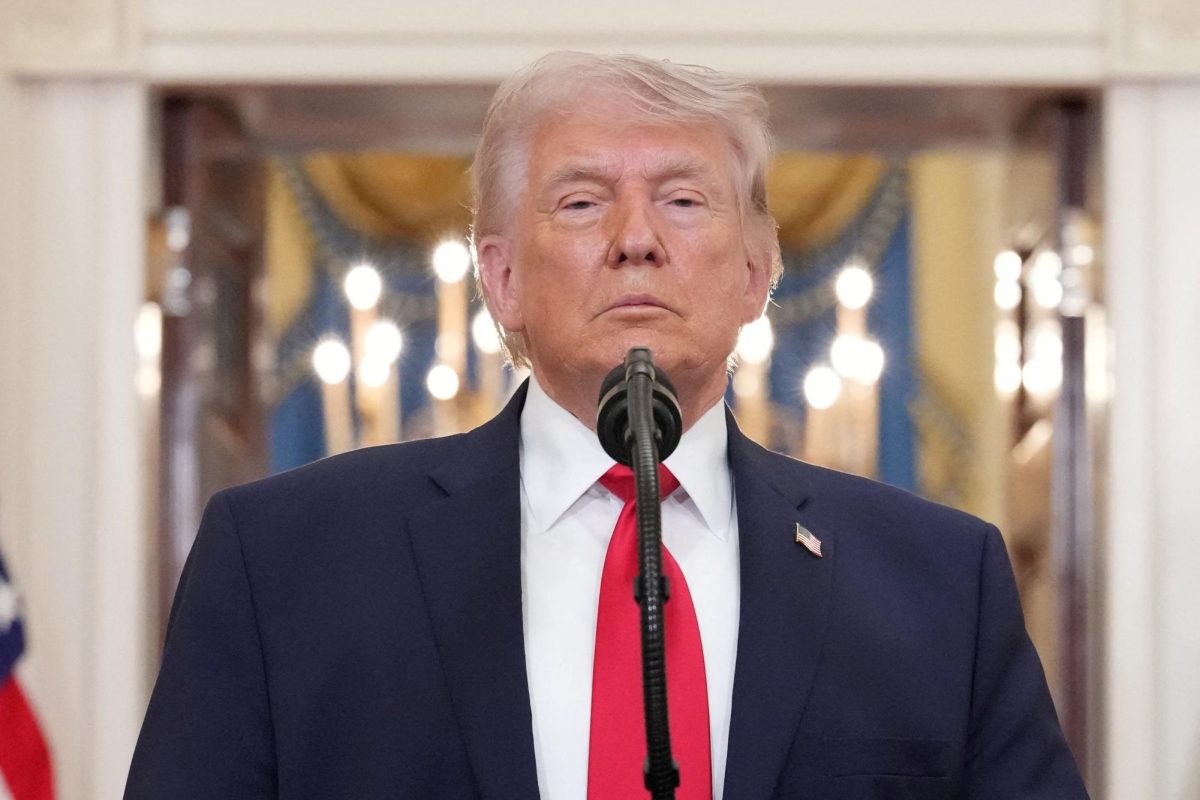
President Donald Trump now holds the power to end the shutdown by signing the new funding measure passed by both chambers of Congress.