Freshman Brennan Bosita, winner of the Middle School Cup, rates his stress on an average day as a six out of 10. He’s a member of the Quizbowl team, varsity and club fencer, member of the Community Service Board, staff for the Marque and pianist. Rather than succumbing to the responsibilities placed onto him by all of his activities, he takes a different approach.
“I do a lot, but I don’t think it’s too stressful,” Bosita said. “I feel very occupied, but I don’t really feel a lot of stress. I try seeing things, not so much as obligations or things you have to do, but as fun things that you get to do.”
That mindset separates him from the stereotypical overworked, constantly busy high school student. He sees his commitments as an opportunity to both better himself and enjoy himself, which lessens his strain.
Such a perspective, while certainly helpful, is not immune to the weight and pressure associated with all of his activities. When Bosita is stretched too thin to cope on his own, he has a strong support system lined up.
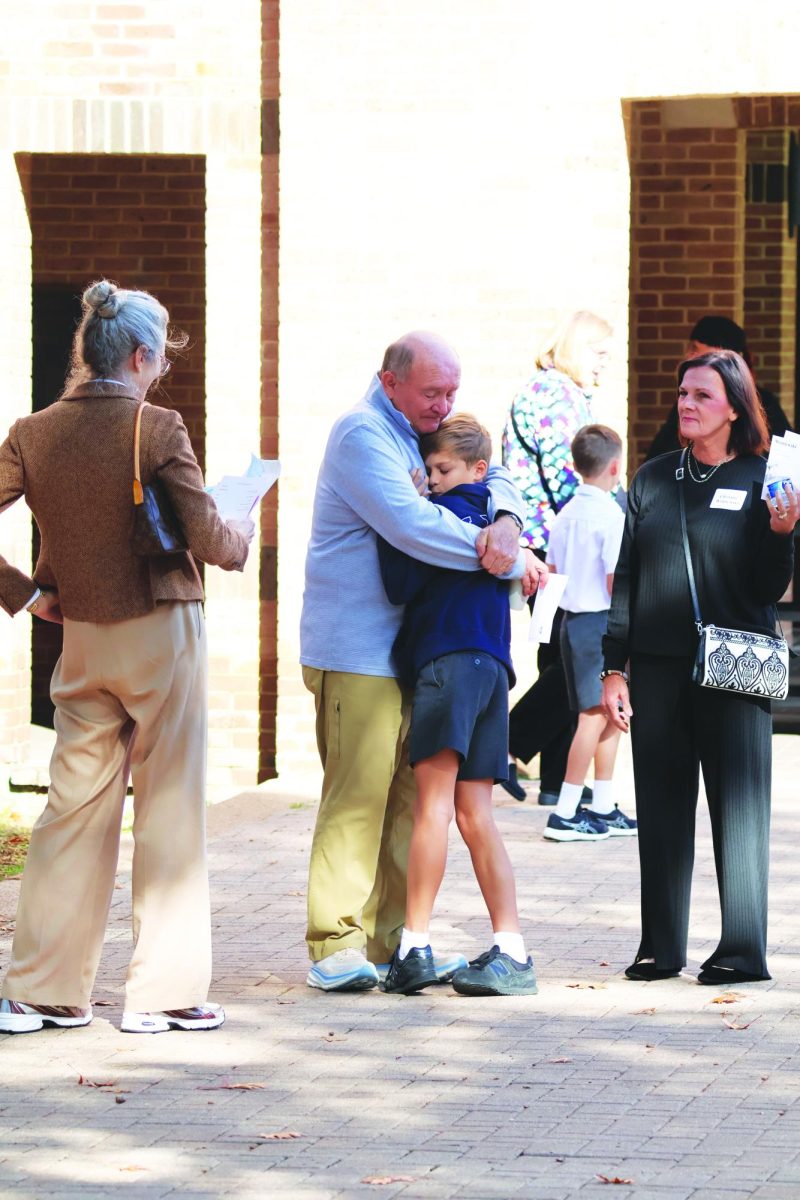
“Sometimes it’s hard to keep that mindset with so many things going on,” Bosita said. “I think whenever that fails to work, I have people who support me, like my friends and my family, and that definitely takes some of the load off as well.”
He emphasizes that everyone has agency to change his life, to take a step back and realize how much control they have over what they spend their time on. While changing one’s attitude is beneficial, there’s no foolproof way to eliminate stress entirely.
Instead of forcing himself to undertake projects and clubs he doesn’t personally find an interest in, Bosita prioritizes activites and extracurriculars that he finds a personal pasion in, making his work enjoyable.
“I think it definitely helps,” he said. “It might not solve all of your issues with stress, but it is very important, in my opinion, to take things from a view where you’re not forcing yourself to do anything.”
Upper School Counselor Dr. Mary Bonsu encourages students to understand the difference between unhealthy stress and healthy stress, the latter of which is actually a necessary and natural part of life.
“You will know that the stress you are feeling is good stress because it stretches you but doesn’t make you doubt having a recourse to deal with it,” Bonsu said. “If you have six tests, your body is supposed to feel that they’re important: that’s good stress. Bad stress is when it’s chronic, you don’t have skills to (remedy) it, you can’t bounce back and the anxiety is in great proportion to what the threat really is.”
Signs of unhealthy stress buildup include poor sleep quality, subpar functioning and unsteady moods. To deal with these, Bonsu encourages students to take proactive measures, such as journaling, talking with friends or relaxing with a favorite movie.
“I’m a big fan of strategic de-stressing things,” Bonsu said. “When you’re in the routine of self-care, you’re able to catch tension sooner.”
Another useful outlet can be interaction with family pets, who can often feel less intimidating and judgmental than people.
“People who have pets tend to live longer; they tend to be healthier,” Bonsu said. “It just brings down that stress and lowers that cortisol. Your dog doesn’t care if you didn’t get that last question right on that vocab quiz.”
Students will face stressful moments throughout their lives. What matters isn’t avoiding these situations but learning how to manage them.