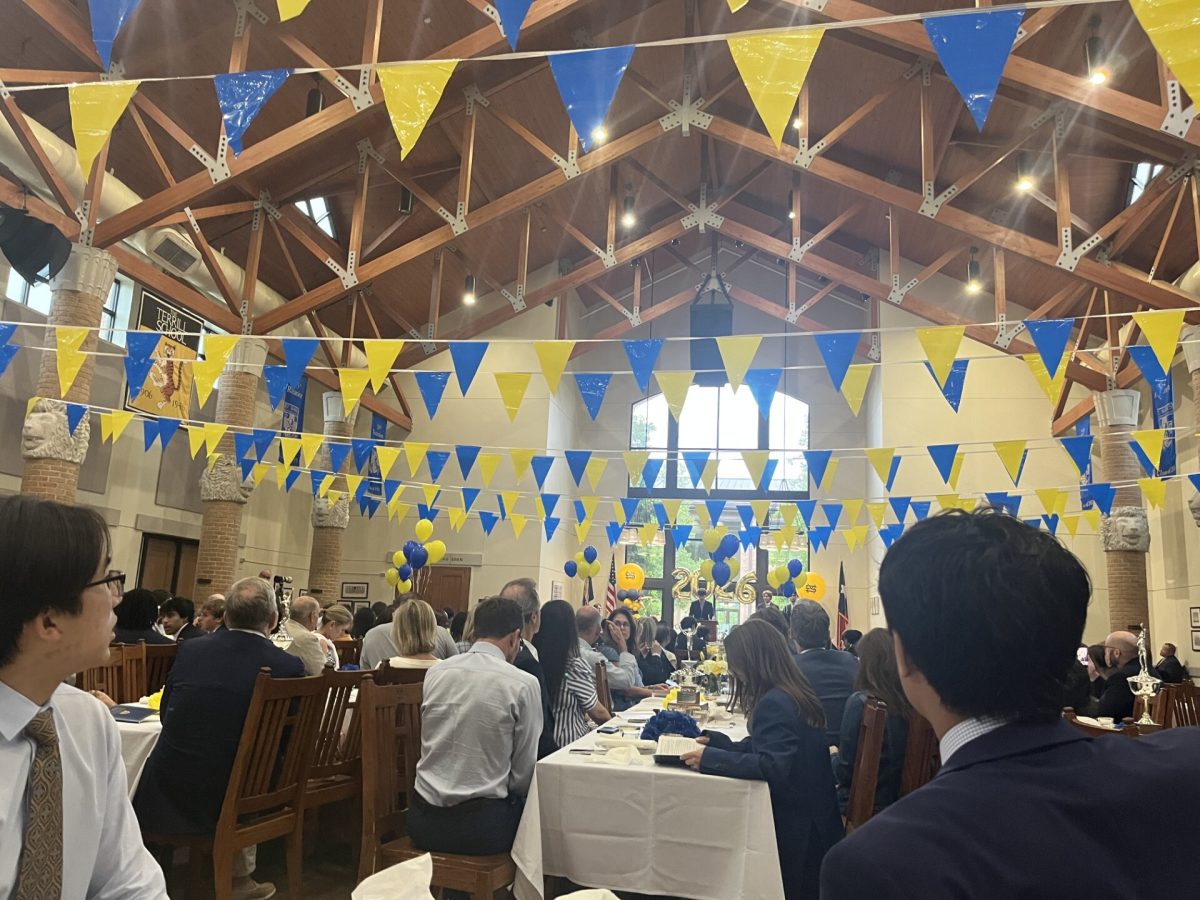
From Apr. 9-11, thousands of students arrived on campus from across the country to participate in the ISAS Arts Festival. Each part of campus was roaring with activities: Morris G. Spencer gymnasium converted into a performance dance hall, Hunt Stadium for the drumline, and the Zierk Athletic Complex reserved for ceramics, painting, photography and wood and metal showcases.
While the campus is preparing for the arts, Marksmen athletes are preparing for their upcoming games. However, these athletic facilities meant for practice and competition, are filled with breakable art and lively performances.
With a fragile object or piece of equipment within 100 feet of you at all times, training for sports on campus is simply impossible. Athletes participating in ISAS face a difficult fork in the road between their sport and their art. Because of the festival, the art has to take priority.
Lacrosse captain Mac Saye understands the importance of such a large-scale festival and realizes that finding time to participate in the arts and practice lacrosse takes sacrifices.
“I’m here for photography, and I couldn’t go to either of the practices because ISAS takes precedence,” Saye said. “It’s more important at this time. I am a captain, but I am signed up for this very cool, high production event. I think I’d be remiss if I had to miss it for a couple lacrosse practices.”
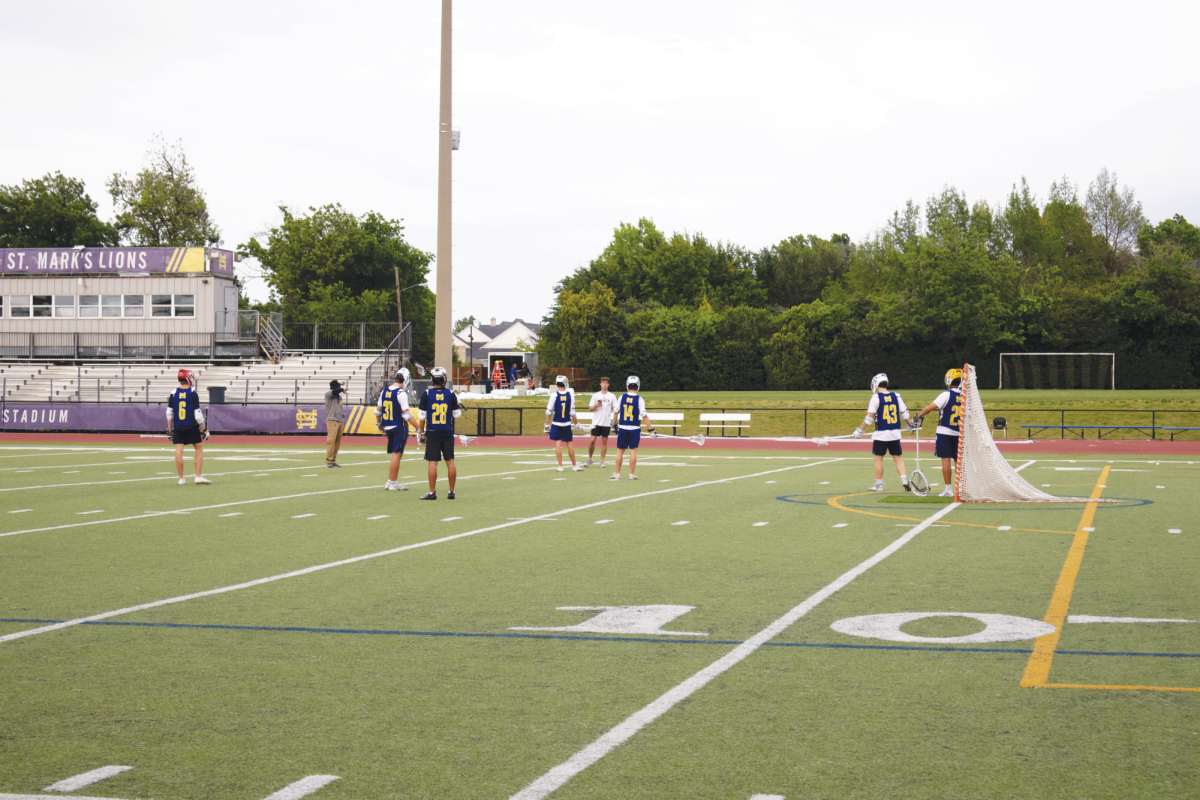
Despite not being able to practice on campus, the lacrosse team has been trying to navigate their own player-led practices. While Saye was at the festival, his teammates not attending the festival can spend the free time to get extra practice in. Despite being unavailable, Saye has been leading efforts for off-campus practice to prepare for their upcoming game against ESD.
“Our intent in scheduling player-led lacrosse practices was to give guys that weren’t participating in ISAS an opportunity to play and get better, especially ahead of our big Tuesday game against ESD,” Saye said.
Taking advantage of the time and space that they have, the team’s goal was to not lose momentum during the festival. As team captain, Saye regrets not being able to attend the practices and wishes he could offer his leadership and direction. However, he still hopes to instill a high standard of individual training amongst the team.
“It stinks that I can’t play with my team,” Saye said. “But, at the same time, we have an expectation that everybody’s keeping up their work individually. And then, hopefully, we’ll put everything together after the festival is over, and hit that game strong.”
Although Saye believes that his absence might hurt the team, he also trusts his fellow captains to reinforce their efforts.
Due to security reasons, campus was essentially put into lockdown during the festival, allowing no student to enter or exit from 8:30 a.m. to 10 p.m. For athletes, this security limits their ability to practice, despite having significant time in between events. For sophomore Dillon Kennedy, the amount of free time while not being able to leave campus sometimes made the festival feel unproductive.
“You sit around, and you’re doing stuff, but a lot of the time it’s playing with a hacky sack in the quad or throwing a football,” Kennedy said. “That isn’t as good as, if I was at school and practicing and focusing on my technique.”
On days of the festival that lasted 14 hours, Kennedy found the length and optionality of the activities daunting. Since activities were simply first-come-first-serve, Kennedy found himself having hours of free time, unable to practice for SPC.
“You either get there on time or you don’t do it,” Kennedy said. “When my improv show ran a little bit late, I couldn’t do anything for like two hours after improv. I could have been using that time to throw and work on other goals as an athlete.”
Saye also feels the frustration of staying on campus for hours on end, but also recognizes why it’s necessary to take such precautions.
“I understand the security risks that come with leaving campus,” Saye said. “If we were to let anybody and everybody leave when they wanted, then it would pose a lot more of a security threat to the school. In an ideal world, I wish I could do both.”
Kennedy has found other ways to work around the time restrictions of ISAS. Determined to prepare for the upcoming tournament, Kennedy decided to wake up early in the morning to throw off-campus. Like a lot of his fellow throwers, he took shot puts and discuses home prior to the festival to train at a local park. Even so, the individual training is not optimal for throwers.
“I went out on Wednesday morning and threw at Germany Park,” Kennedy said. “But, a lot of the time, especially for throwing, you want somebody there to look at your technique to see how you’re doing. Because we were only allowed to practice by ourselves during ISAS, I threw without anyone watching. It’s really challenging.”
While Kennedy thinks that the long break gives his other thrower’s rejuvenation, he also thinks it could be detrimental to their habit and momentum.
“Honestly, the breaks can be beneficial sometimes, but they can also be very hurtful,” Kennedy said. “If you’re throwing poorly, a break can clear your mind and get you refocused. But for a lot of the kids who are just coming back after the long (Spring) break that we had who might’ve lost rhythm and technique, another three days of practicing by yourself once or twice while not knowing what you’re doing wrong can be really hurtful.”