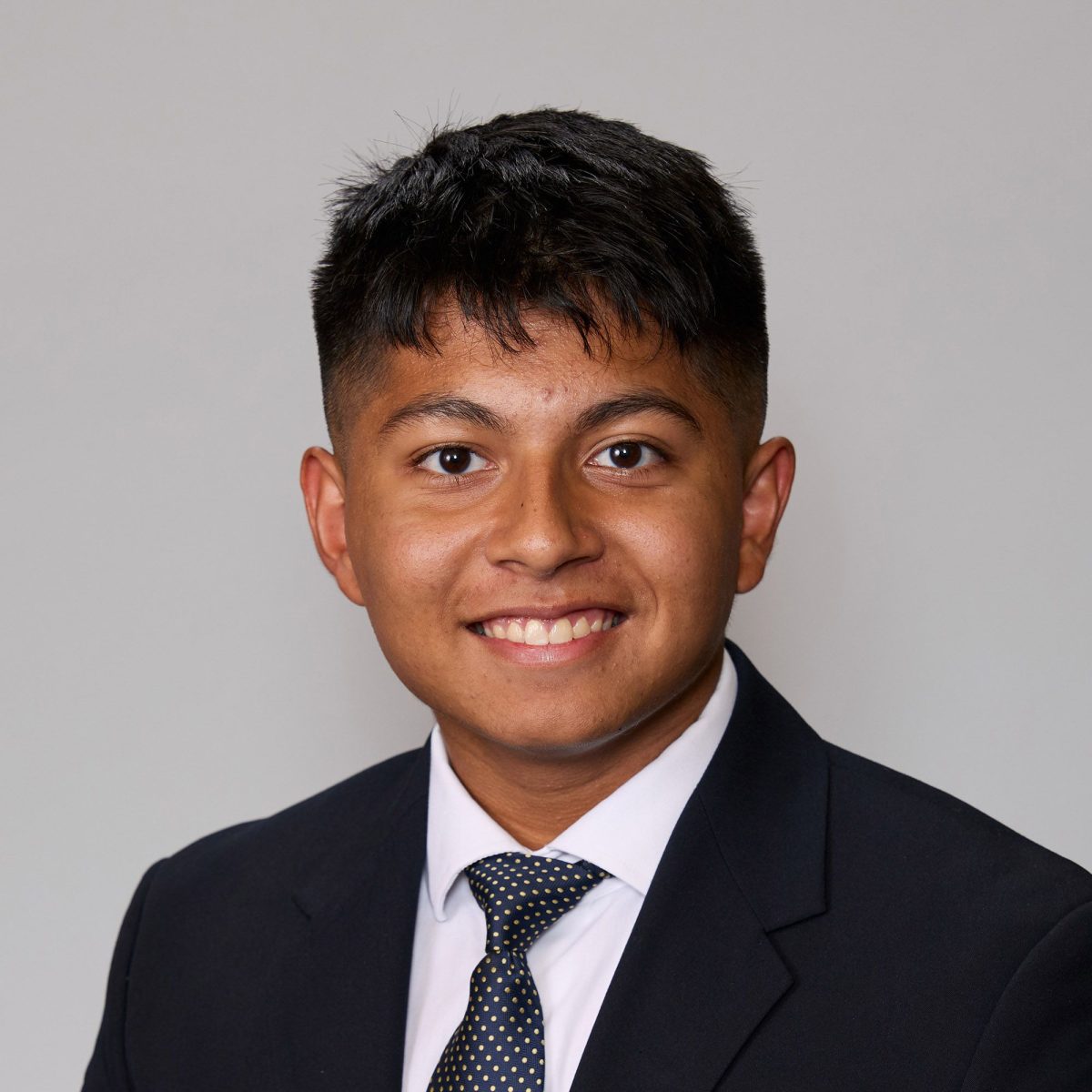

Senior year is the year where I get to choose all my classes. At least that was what I thought heading into Upper School.
After 11 years of following a curriculum that has been set in stone for countless students throughout the school’s history, I thought that I would finally get the opportunity to be in the classes I wanted to take, instead of just the usual courses that are required for everybody.
At the start of freshman year, the Upper School Office had the ninth grade do a Leadership Loop in which we planned out our classes for the next four years. Scrolling through the multitudes of course options on the Course Offerings tab, I marvelled at how many different kinds of classes I could choose from in my senior year, with topics ranging from an English 12 course in the literature of Fairy Tales and Folklore to DNA Science.
It was hard to limit myself and pick which courses to take as a senior, but I eventually scribbled down the six options and turned the plan into my advisor, Dr. Moody. Just seconds later, though, he turned to me and warned me that I needed a fine arts credit to graduate, something that my four year plan notably lacked. Confused, I pointed out that I was going to take four years of journalism, which I had already started by taking Beginning Journalism that year.
That day, I learned that journalism does not count as a fine art, something that has baffled me for the last three years. Many people seem to hold the misconception that journalism shouldn’t be a fine art because it supposedly involves no creativity, just writing down and reporting about facts. Yet, as I’ve spent more time in the suite and my responsibilities on staff have grown, I’ve come to realize that this is far from the truth and that there’s so much more to journalism than what meets the eye.
Aside from discovering facts, we have somany more responsibilities. We take vibrant photos and make expressive videos for the website. We write imaginative reviews and argumentative editorials. We design creative page spreads, where each page has to fit a common theme while also being unique compared to all of the pages before. We illustrate graphics and drawings to complement our stories. The first definition of “fine art” on Google is a “creative art, especially visual art whose products are to be appreciated primarily or solely for their imaginative, aesthetic, or intellectual content,” and I believe that journalism fits every single aspect of that definition through its reporting, design and creativity.
Students, teachers, parents and alumni alike read the ReMarker, Focus Magazine or the yearbook not only to learn about what is going on at school, but also to appreciate their visual elements and all of the hours of work and creativity that have been poured into the publications’ creation. In fact, journalism covers aspects of almost every other fine art. Yet journalism is classified as a non-departmental elective while courses like debate remain as fine arts.
Each individual student at St. Mark’s has different interests, and students should be encouraged to take the courses they are interested in. Taking a fine art should be about exploring an interest: while some people like acting, some like expository writing or some other creative activity. If the school wants to emphasize the opportunity to explore different options and interests, courses like journalism should be considered a fine art.