People often say that one singular action doesn’t define who someone is. But to many, that first impression, first mistake, first success becomes the basis for how someone is judged.
People remember what’s significant. The off-putting comment made in freshman year. The emotional speech delivered in chapel. The game-winning goal scored against a rival. Long after context fades, these small moments linger, quietly shaping perception.
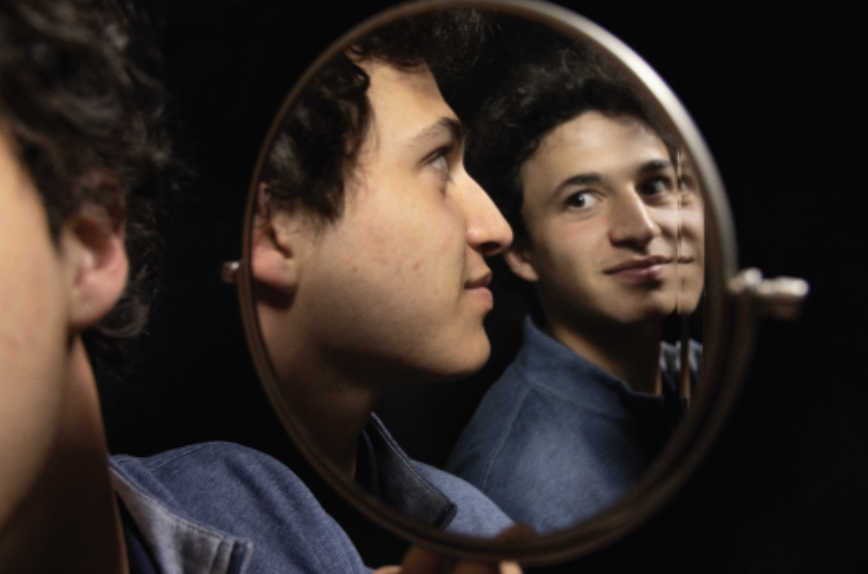
Reputation forms in fragments, little snapshots, that create a caricature of who someone is. It isn’t always built intentionally, nor all at once. It develops through everyday choices: how someone carries themselves in class, how they treat others in passing, whether or not they show up when it matters. Over time, those moments accumulate.
But if a moment becomes memorable enough, it has the power to define the whole.
Once formed, a reputation begins to work ahead of someone. It influences how much grace they’re given after a mistake, how seriously their voice is taken and what opportunities feel within reach. And while the person behind that reputation continues to change, grow and mature, perception often lags behind reality.
In a world where seemingly every action is noticed, published or posted, reputation becomes unavoidable. It’s a shadow cast by both shortcomings and accomplishments, one that follows students through their years on campus and beyond, shaping how they are seen, and sometimes how they see themselves.
Whether through his leadership in the Student Alumni Association or Lion & Sword, senior Andrew Zhang makes his presence known on campus. After serving as class president for four years, he’s fully aware that people have been watching him. His demeanor. His speeches. Even his grades. Every action he takes can build or break down the way people view him; his leadership on campus has made him someone that students, teachers and administrators instinctively look to.
“In philosophy class, we’ve been reflecting on agency, the feeling that what you do matters,” Zhang said. “When I put effort and passion into the things I do, I know my reputation will come along with it.”
But personal reputation isn’t always formed in the spotlight. Senior Ekaksh Bansal thinks his place in the community comes from being a reliable friend on a daily basis.
“I think I’m pretty well known for being the type of person who has a nice, outgoing personality,” Bansal said. “I’m someone who anyone can talk to.”
Both Zhang and Bansal have noticed that a reputation formed in early high school or even middle school can linger around for considerable length. Especially for impressionable classmates, old rumors they might’ve heard regarding a person years ago can stick, even if that person has long since matured. However, Zhang and Bansal make sure not to harbor such predispositions before getting to know someone.
“Most of the time, if you hear something bad about someone and just talk with them, it’s overblown or not exactly true.” Zhang said. “At some point, we grow past the point where we have grudges.”
Sal Hussain ‘23 sees another angle to the gap between who a student used to be and who they’ve grown into. A bad first impression can hurt a relationship that hasn’t even gotten a chance to form. He believes mistakes made at a young age can be forgiven as long as the intentions were in the right place; old errors shouldn’t dictate an entire character.
“There will always be people who don’t want to acknowledge your growth,” Hussain said. “That doesn’t mean the growth isn’t there.”
And it isn’t just individual students who carry reputations; whole classes do. Student-run events like McDonald’s Week or the Senior Auction generate discussion among the school’s administrators as well. As senior class sponsor, Victor F. White Master Teaching Chair Dr. GayMarie Vaughan hears the comments about the Class of 2026 from other faculty members—both the compliments and the complaints.
“After somebody’s done something boneheaded, the whole class will take a collective hit,” Vaughan said.
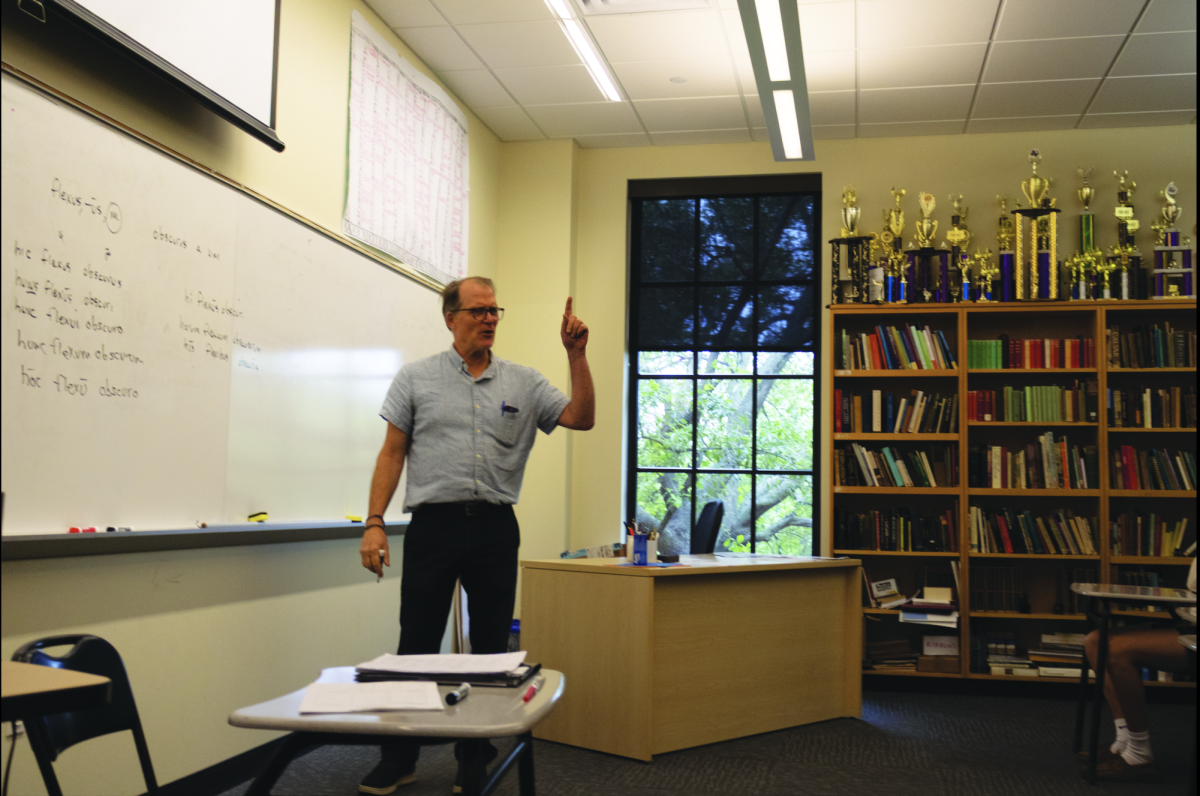
But J.J. Connolly Master Teaching Chair Nancy Marmion notes that misbehaving freshmen eventually mature, as even classes with bad reputations can often surprise people with their leadership during senior year.
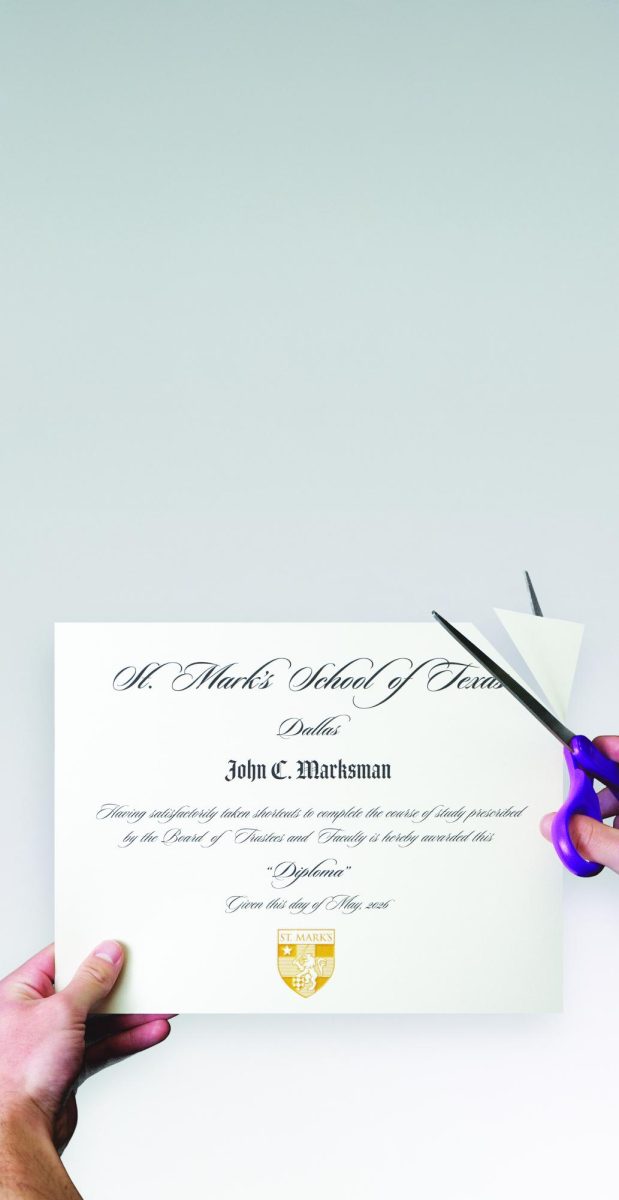
Teachers and classmates may eventually forget student misbehavior in class; but unlike memories, digital footprint never fades. Now more than ever, reputations need to be kept in check not just in school hallways, but online. A stray Instagram comment, an incriminating screenshot, a moment taken out of context can snowball into a permanent stigma.
“Whoever runs for president—someone will comb through every social media post they ever made,” Marmion said. “In today’s world, I’m not sure people are surprised that they have a reputation, because it’s so easy to spread that reputation in ways that aren’t always positive.”
The school carries a reputation that often precedes its students, one built as much on expectation as reality. Around Dallas and beyond, some may recognize a Marksman and unconsciously assume a put-together young man.
Zhang feels the weight of expectation most when he competes. He prefers school water polo over club because representing the school means showing out for something bigger than himself.
Because when he gets into the pool each time wearing a blue and gold swimsuit, he pushes himself to live up to the standards others before him have already set.
“When you go out and you’re wearing St. Mark’s clothing, people see you differently,” Zhang said. “I think people probably are less aware of that than they should be.”
Every year, Marmion takes her Spanish IV-H class on a field trip to the Meadows Museum on the campus of Southern Methodist University (SMU). Though she’s rarely worried about their behavior, she reminds her students that there’s a standard they must rise to, not because she’s demanding perfection, but because onlookers assume it.
“People expect a lot of St. Mark’s students,” Marmion said. “If they were to be disruptive, it would be very disappointing not just to me, but to the school’s image.”
But there are two sides to reputation. With the school’s sophisticated, ‘elite’ image, students are often met with misperceptions that Marksmen are wealthy, snobbish and arrogant.
“There’s people who say, ‘Oh, St. Mark’s is just white boys full of privilege,’ and we had to make it clear: that’s not who we are,” Vaughan said. “As somebody who lives within this culture all the time, I’m often saying that’s factually inaccurate.”
As a teacher with a discussion-based class, Vaughan converses with her students daily and knows her students’ natures. In her experiences listening to boys pose varying opinions, challenging each other and admitting their faults, she knows the stereotypes are shallow. She doesn’t deny that many students have privilege, but she resists the idea that it defines a student and the school behind him.
Head of Upper School William Atkinson notes how observers might form quick, uneducated judgments despite only knowing fragments of the full story. Context, he suggests, follows on occasion.
“Two different people can see the same action and make completely different judgments,” Atkinson said. “You can’t control how people interpret you. You can only control what you do.”
The school’s image is powerful, but it should be dynamic—preconceptions about our students should never stay stagnant. The students on campus are still learning, growing and pushing back on the assumptions that surround them.
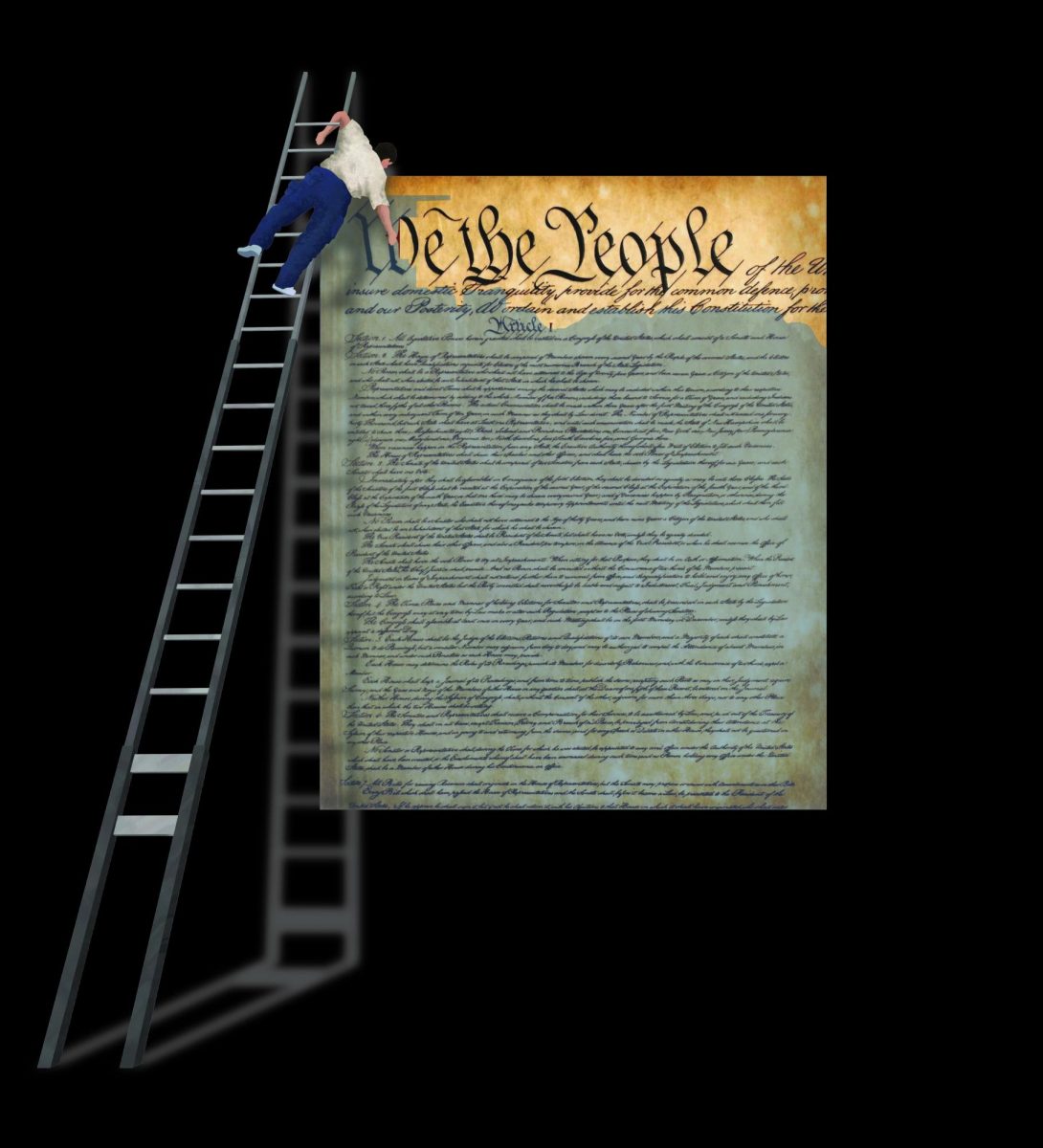
But such images often require years to construct and hone. It takes mere seconds to tear it down. And every individual choice and action accumulates into the greater reputation as an identity that people carry in their minds long after individual moments pass.
“It’s like Jenga,” Vaughan said. “It takes a whole lot more time to put that tower back together than it does to pull a little piece out.”
Dr. Greta Davis, SMU’s Counseling Department and Clinical Associate Professor specializing in career development, also emphasizes the fragility of our towers of reputation. These negative moments can carry disproportionate weight in memory, a facet ingrained in human behavior.
In professional environments where emotional maturity is an expectation, positive actions can fade into background noise amid one moment of judgment that becomes flagged with striking clarity.
“Anything that is negative has what we call a greater emotional salience,” Davis said. “It’s just coded in the brain with more intensity, simply because there’s negative emotion associated with it. That’s part of the reason why negative interactions or mistakes are going to leave a longer-lasting imprint.”
The human brain relies on heuristics, mental shortcuts that help people process information efficiently. But Davis notes that these can work against us when we’re the ones being evaluated.
Our cognition fills gaps with assumptions, stubborn to revision once formed. And as a byproduct, first impressions become all the more consequential.
“When you meet someone for the first time, you don’t have a lot of data points to form an impression,” Davis said. “You only have what you actually see. So a lot of the time, people form first impressions about competence and character almost immediately.”
She notes that especially in professional workspaces, things like clothing, speech patterns and how people carry themselves become magnified during these early encounters. And these moments can quickly echo far longer than their significance might deserve.
But these impressions aren’t set in stone.
“The best way you can influence people’s perception is to be very direct about it,” Davis said. “Acknowledge that you made a mistake, demonstrate that you understand why that mistake happened and communicate what you’re going to be doing differently in order to prevent that from happening again. I think communicating directly is the best way to potentially influence someone’s behavior and impressions of you.”
However, both Davis and Marmion believe that the premise of mistakes defining one’s reputation is false—learning from mishaps is part of what makes growth possible.
“We all make mistakes and can learn from them,” Marmion said. “And sometimes that means your reputation is going to take a couple steps backwards, and then you’re going to have to rebuild it.”
And whether these reputations are accurate depictions or not, Davis’s counseling experience reveals they can quickly take control of a person’s life by shaping opportunities, future relationships and self-perception in ways that can be difficult to manage without direct confrontation.
“You rebuild reputations in the same way,” Marmion said. “That’s by trying to make those right decisions, the decisions that are in accord with the person that you really want to be.”
The process is slow but methodical, with the patience required to build trust redirected toward earning it back.
So while redemption remains possible, Davis pushes for prevention. Being deliberate about one’s actions ultimately starts from the beginning—that first impression—and quickly addressing missteps that inevitably occur along the way offer the best chance of ensuring that a reputation reflects who someone actually is, instead of who they appeared to be in a single moment.
Because it’s always to manage a first impression rather than to recover from one.
“We should behave in ways that are consistent with their values, being mindful of time, place, circumstances and what expectations are for behavior,” Davis said. “I think it’s about having sensitivity to context and just asking if you’re being mindful of what you’re demonstrating according to that context.”